Reflections on the Collection of Theodore and Ruth Baum.
During New York’s November 2026 auction season, the collection of Theodore and Ruth Baum caught my attention and sparked a deeper curiosity. Ted Baum, a pioneer in the American cable television industry, and his wife, Ruth, spent decades building an extraordinary collection of modern and contemporary art. Beyond the auction itself, I became interested in understanding the collectors behind the works: their artistic choices, personal sensibilities, and the stories reflected in their collection.
What first drew Ted and Ruth to art? How did their collecting journey evolve, and what do their choices reveal about their approach to collecting? How did the artworks they acquired become part of their everyday lives? And what happens when these works move beyond the homes of their original collectors and enter new environments?
These questions led me to explore their collection, examine individual artworks, and look more closely how art became part of their lives, particularly within the setting of their Palm Beach residence.
The collection of Ted and Ruth Baum offers an opportunity to explore the evolving relationship between art, collectors, and the spaces they inhabit. It also invites a broader consideration of the life of an artwork beyond its creation. From the artist’s original vision to the collector’s personal experience, each relationship adds another dimension to its story.
A New Life Through Collecting
Every collector brings a personal sensibility and emotional response to the experience of art. For Ted and Ruth, Mark Rothko’s Untitled (1967), with its glowing fields of fiery scarlet and brilliant tangerine, appears to have resonated on a deeply personal level. Acquired in 1983, the painting was their first contemporary art acquisition, marking the beginning of decades of collecting and exploration.
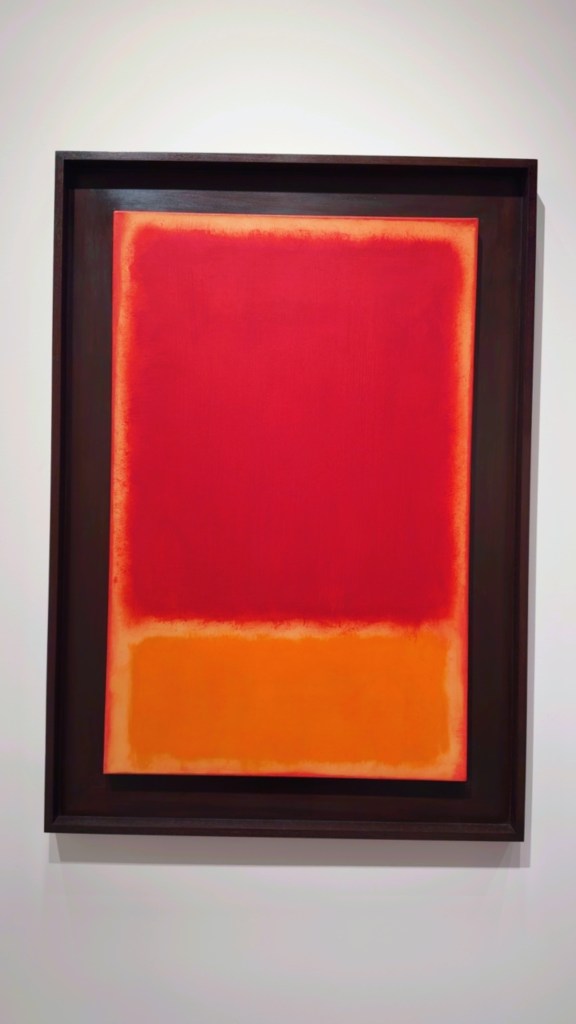
A leading figure of the American postwar Abstract Expressionist movement, Rothko created non-objective paintings that communicate through color, emotion, and atmosphere. I am particularly drawn to the tension between the luminous colors and the earthy ground. The floating fields create a delicate interplay between separation and connection, evoking a sense of movement between the finite and the infinite.
For Rothko, the painting embodied his artistic vision. For Ted and Ruth, however, it took on a more personal dimension, becoming part of their lives and experiences. In this sense, the painting began a new chapter in its life, one shaped not only by the artist’s intention but also by the collectors’ own sensibilities and experiences.
Perhaps this is where a new life for art begins: when an artist’s expression finds a response in someone else’s experience.
A New Life Through Living with Art
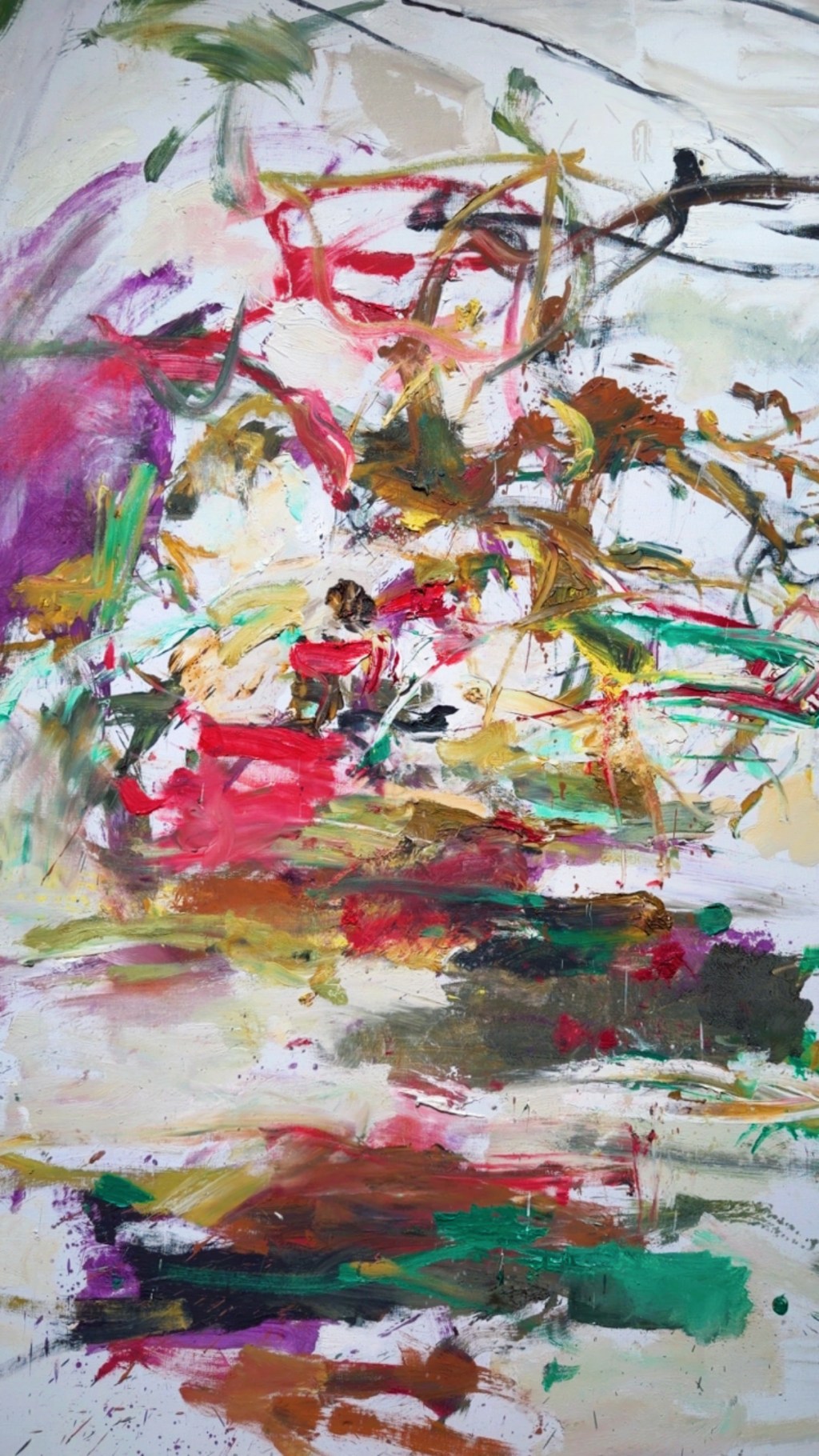
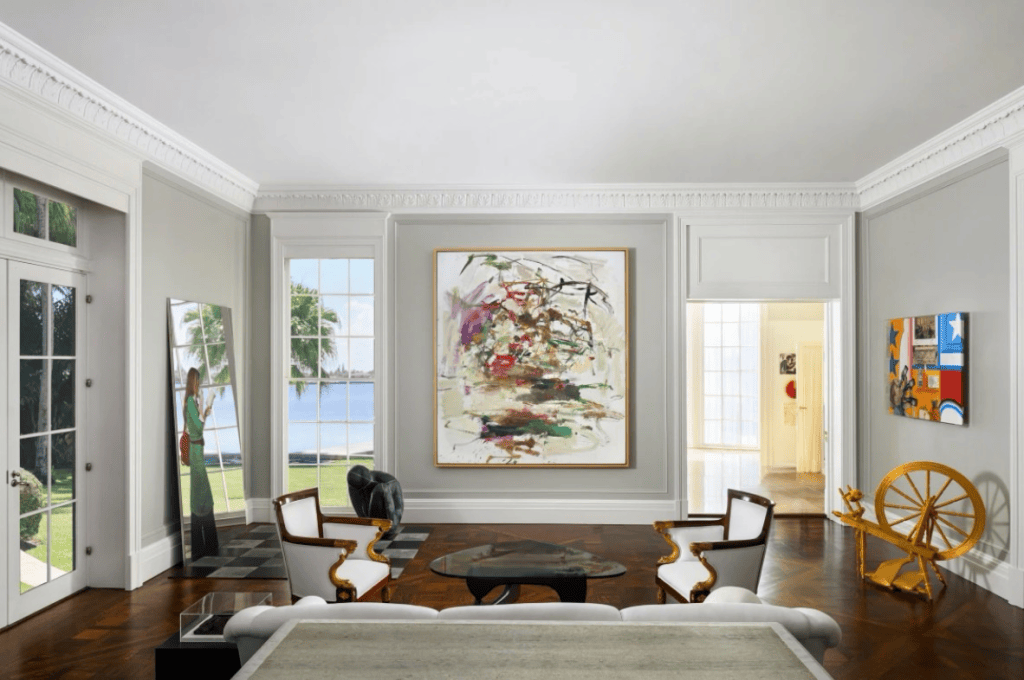
Abstract Expressionism appears to have remained a recurring presence in Ted and Ruth’s collection and daily lives. Viewed on its own, Joan Mitchell’s Green Book of Barbara Guest (1960) first draws attention through its expressive brushwork, vivid colors and distinctive painterly qualities. Yet photographs and Sotheby’s documentation reveal that the painting once hung in the living room of their Palm Beach home, facing the ocean and bathed in natural light.
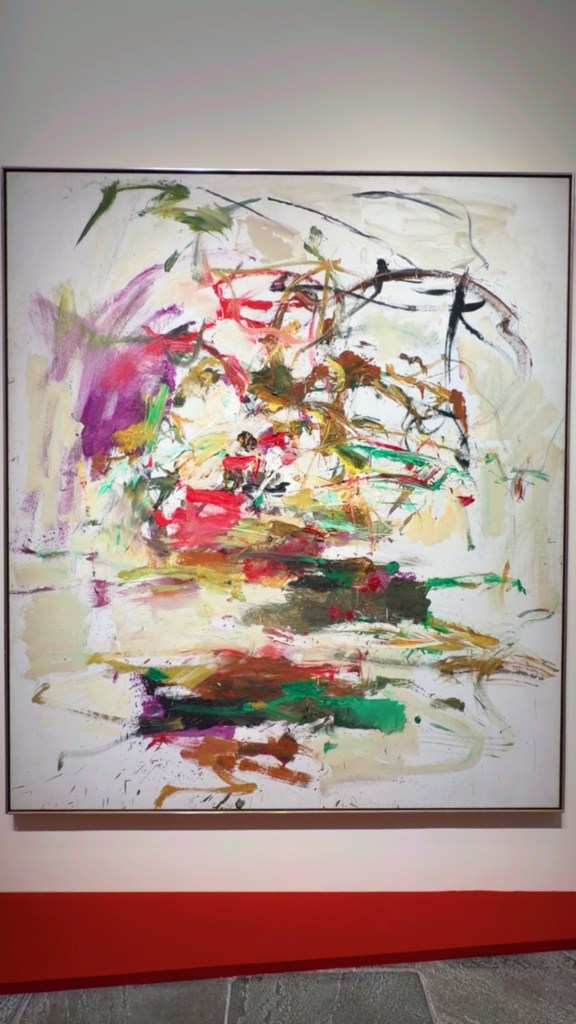
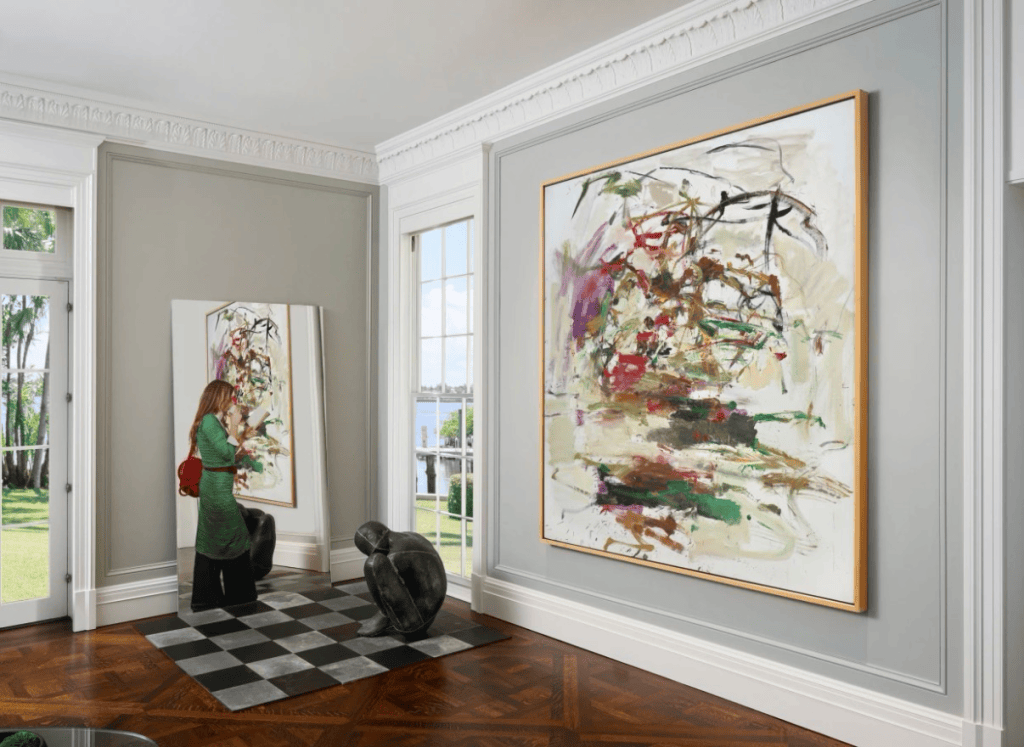
The painting seemed to echo the movement and energy of the surrounding landscape. No longer viewed in isolation, it became part of the Baums’ living environment.
Their broader collection, which included artists such as Andy Warhol, Roy Lichtenstein, Lucio Fontana, and Yoshitomo Nara, reveals an evolving interest that extended beyond Abstract Expressionism to encompass Pop Art, Minimalism, Conceptual Art, and postwar Italian art. Rather than following a single artistic movement, their choices suggest an openness to different artistic languages and a sustained curiosity about the ways artists interpret and engage with the world.
One particularly intriguing arrangement in their Palm Beach home brought together Joan Mitchell’s abstract painting, Tom Wesselmann’s Still Life #22, and Michelangelo Pistoletto’s Turista verde. I became curious about how these works might speak to one another and began researching each in greater depth.
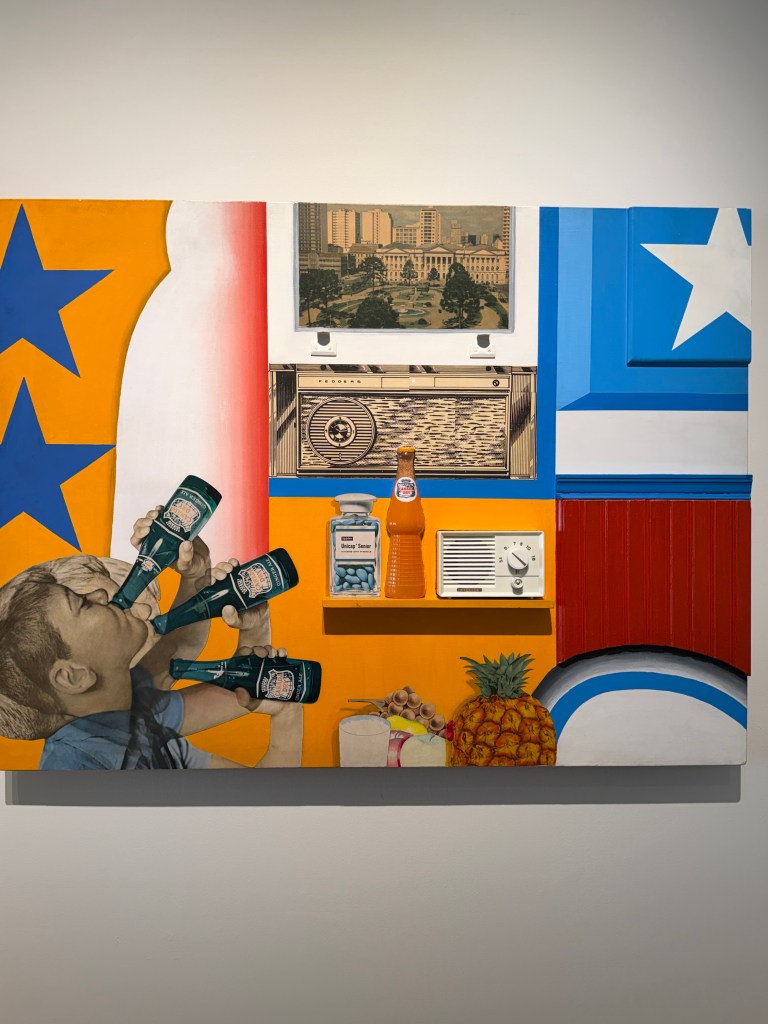
Pistoletto’s reflective surface introduces another dimension to the arrangement. By reflecting the surrounding artworks and environment, the mirror creates a constantly changing composition, bringing Mitchell’s abstract expression into dialogue with Wesselmann’s imagery of everyday life.
Marcel Broodthaers’ Panneau de Moules caught my attention quite unexpectedly. The work consists of a panel covered with mussel shells, transforming an ordinary material into an intriguing visual composition. The shells retain their natural forms and textures, yet their arrangement gives them an entirely different presence.
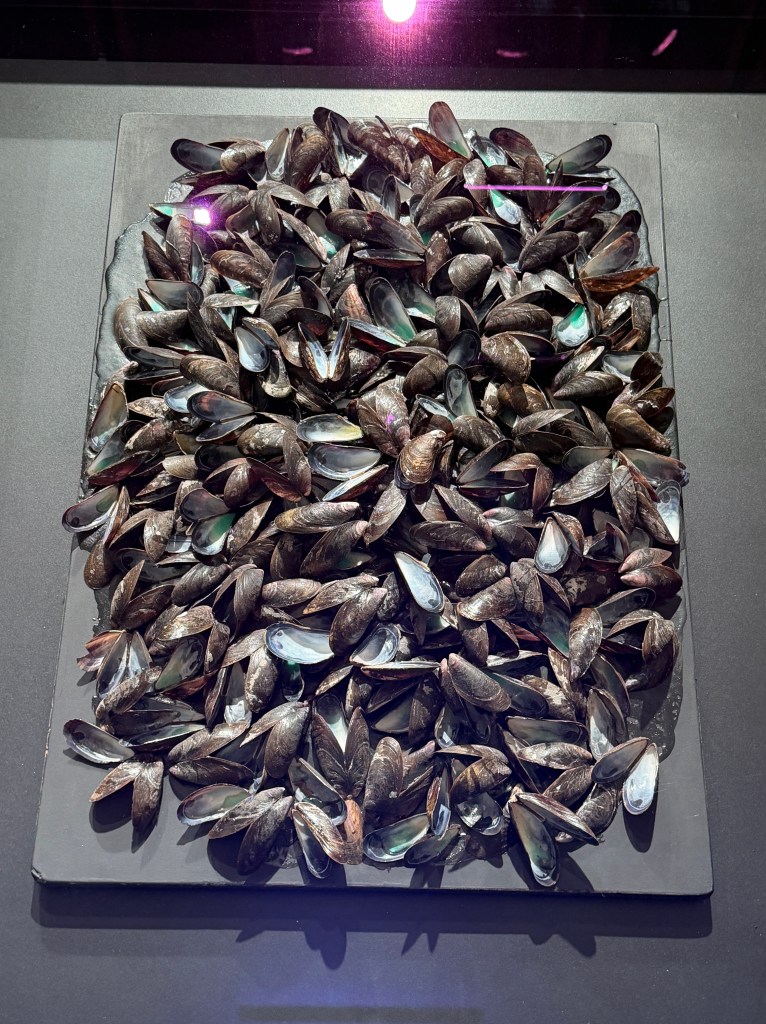
While many works in the Baums’ collection explore color, abstraction, and spatial relationships, Broodthaers introduces a different perspective, revealing another dimension of their collecting sensibility. Perhaps Ted and Ruth were drawn not only to visual beauty and emotional depth, but also to works that were intellectually playful and capable of sparking curiosity.
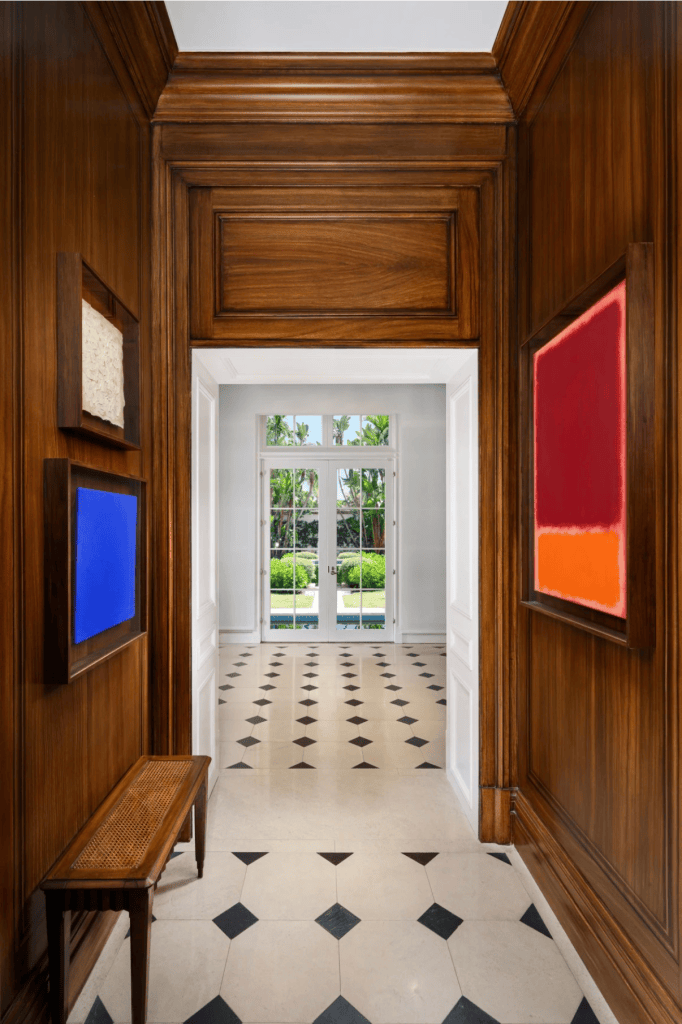
A different yet related sensibility emerges in photographs of their hallway, where Yves Klein’s Untitled Blue Monochrome (IKB 175) (1957) hangs directly opposite a painting by Mark Rothko. Rothko’s expansive fields of color draw the viewer inward, evoking deep emotions, while Klein’s intense blue suggests a sense of boundlessness, almost as if opening onto an endless horizon.
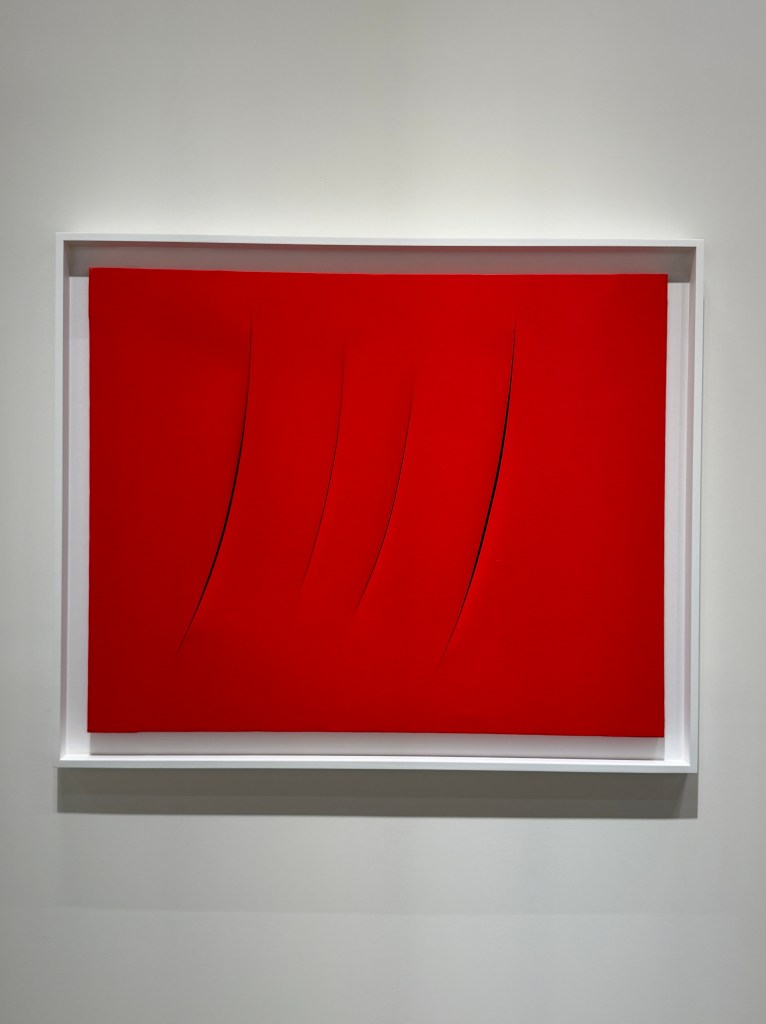
Their collection also included works by Lucio Fontana, whose velvety red surfaces and deliberate cuts challenge the traditional boundaries of painting, opening up new possibilities for spatial perception. Seen within the context of the Baums’ home, the works suggest a particular sensitivity to the expressive and spatial possibilities of color.
In Sotheby’s introductory video, I noticed another intriguing arrangement in their home: Andy Warhol’s The Scream (After Munch) and Yoshitomo Nara’s The Little Pilgrims (Night Walking) appeared together in the same room.
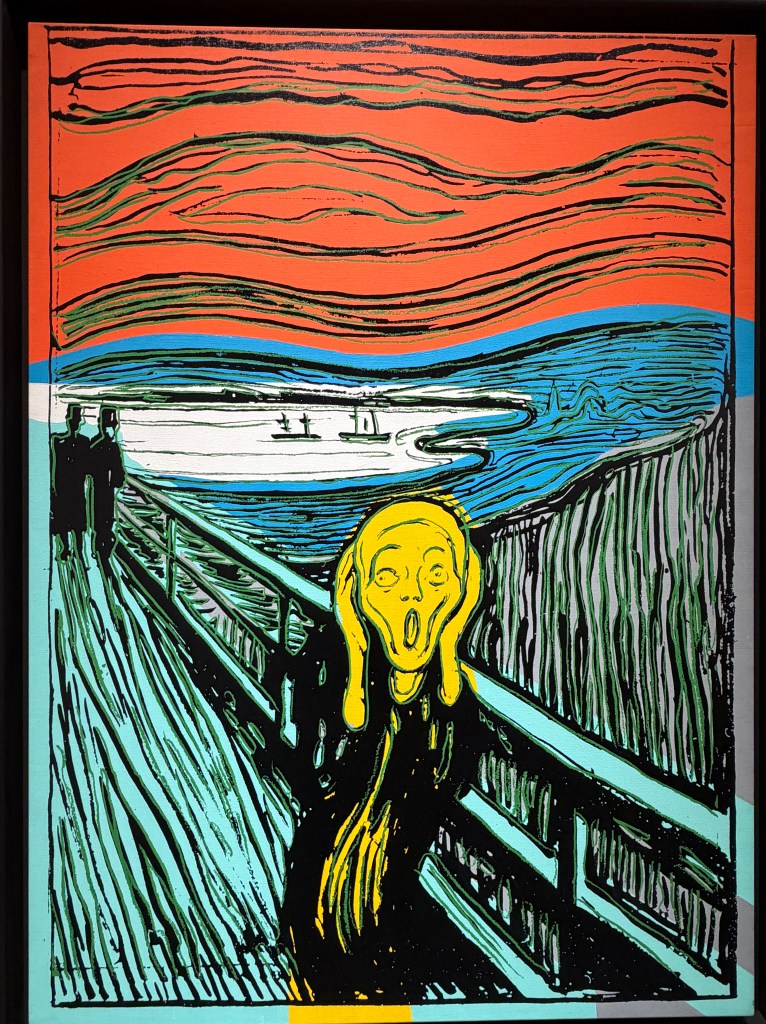
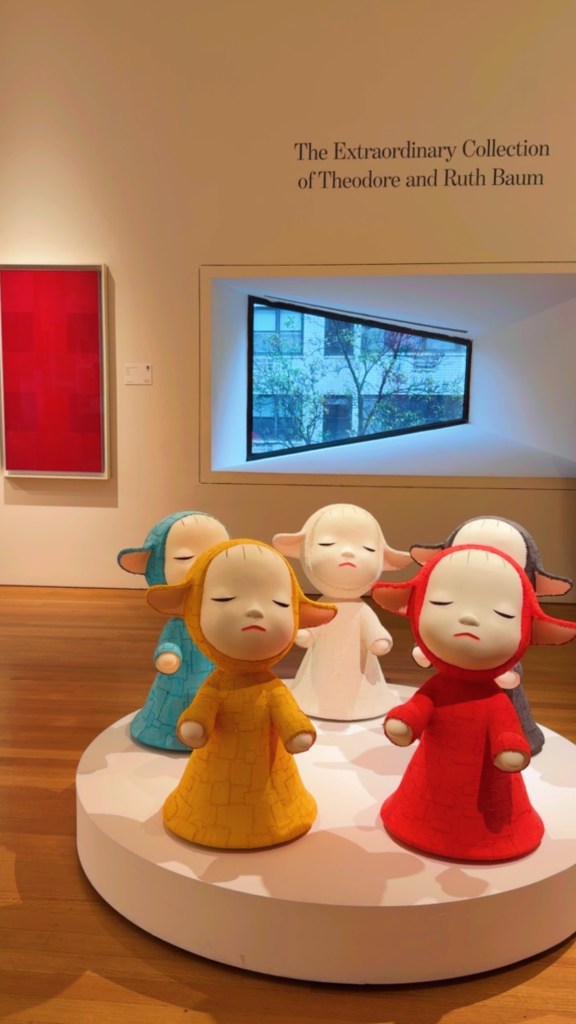
To me, their juxtaposition brings together two distinct perspectives on human experience: one drawn from a familiar and iconic image, the other from a more introspective and emotionally ambiguous world. Through such pairings, I began to see how Ted and Ruth welcomed different artistic voices into their lives, allowing them to coexist and evoke new responses.
Their home was more than a place to display art. It was a living environment where art, architecture, furniture, and everyday life were interconnected. Within this setting, individual artworks became part of a larger whole, shaped by the surrounding environment, collectors’ personal experiences, and the relationship among the works themselves.
A New Life Beyond the Collection
Reflecting on Ted and Ruth’s collection, I began to think more deeply about the meaning of collecting. Every artwork begins with an artist’s vision, shaped by thoughts, emotions, experiences, and imagination. When it enters a collector’s world, it becomes part of a new personal story.
Although I never had the opportunity to meet Ted and Ruth, exploring their collection has allowed me to get to know them in a different way. Through their artistic choices and the way they lived with art, I have gained glimpses into their personalities, tastes, and the world they created around them. Perhaps this is the true meaning of collecting: not simply owning an artwork but giving it a place in our lives.
Now, as the Baum collection leaves its longtime home, these works begin another chapter. In the hands of new collectors, they will find new spaces, new relationships, and new meanings.
Where will these works go? What new spaces will they inhabit, and what meanings will they acquire? Their stories continue to unfold, shaped by new relationships and experiences.
Art begins with the artist’s vision, finds a home through the collector, and continues its journey through time.


Leave a Reply