Nature, Art, Architecture, and the Culture of Mountain Living
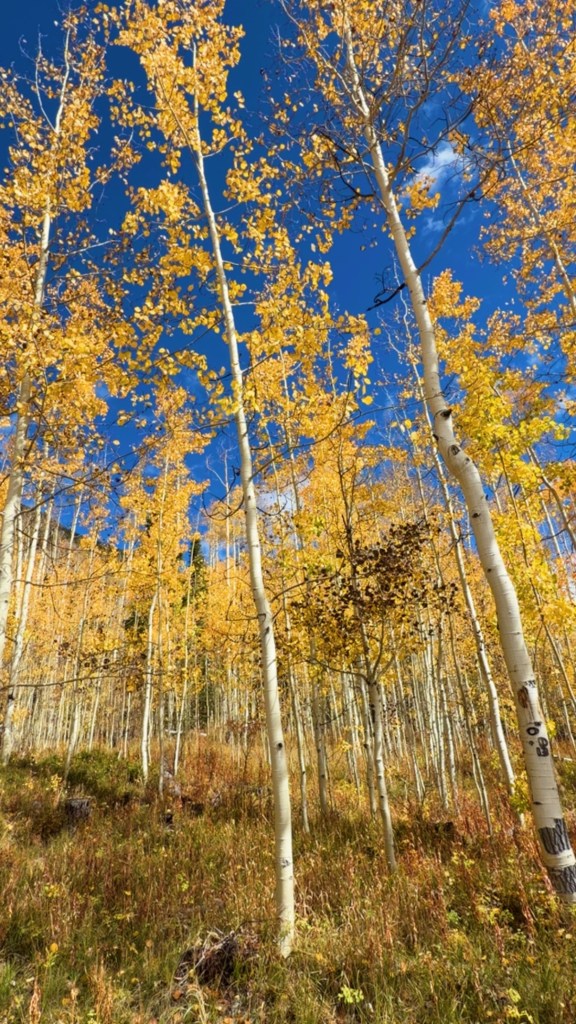
Golden aspens lined the drive over Independence Pass, their leaves glowing against mountain peaks lightly dusted with snow. In Aspen, Colorado, the landscape is closely tied to the town’s identity. Nature is more than a backdrop here; it shapes the town’s character and influences how people build, preserve history, and imagine new ways of living.
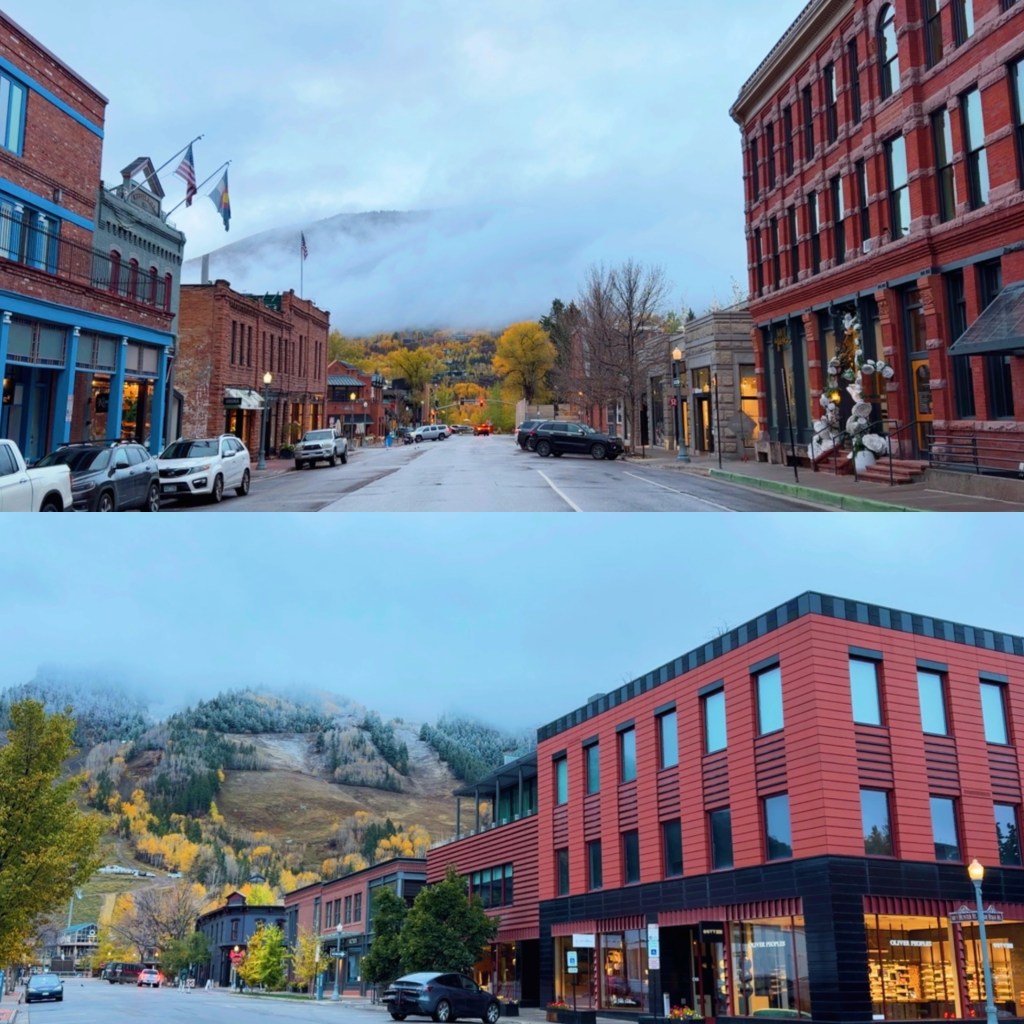
The historic facades offered glimpses into another era, when Aspen flourished during the silver boom of the late 19thcentury, attracting miners, investors, and a growing community. The silver crash of 1893 brought that prosperity to an abrupt end, yet traces of the town’s past remain embedded in its architecture and streetscapes.
Today, Aspen has evolved into an international destination where art, architecture, and mountain living converge.
Contemporary Aspen: Where Nature Meets Global Design
The mountain setting shapes Aspen’s architecture and lifestyle far beyond the slope. Perched on Red Mountain, a residence commands sweeping views of Aspen and Aspen Mountain. Across the hillside, contemporary homes showcase diverse architectural styles, combining textured stone and brick, natural wood, expansive glazing, and pitched roofs in earthy tones.
These materials establish a dialogue between shelter and landscape. Stone and brick convey solidity, wood introduces warmth, and expansive windows draw the mountains into the interior experience.
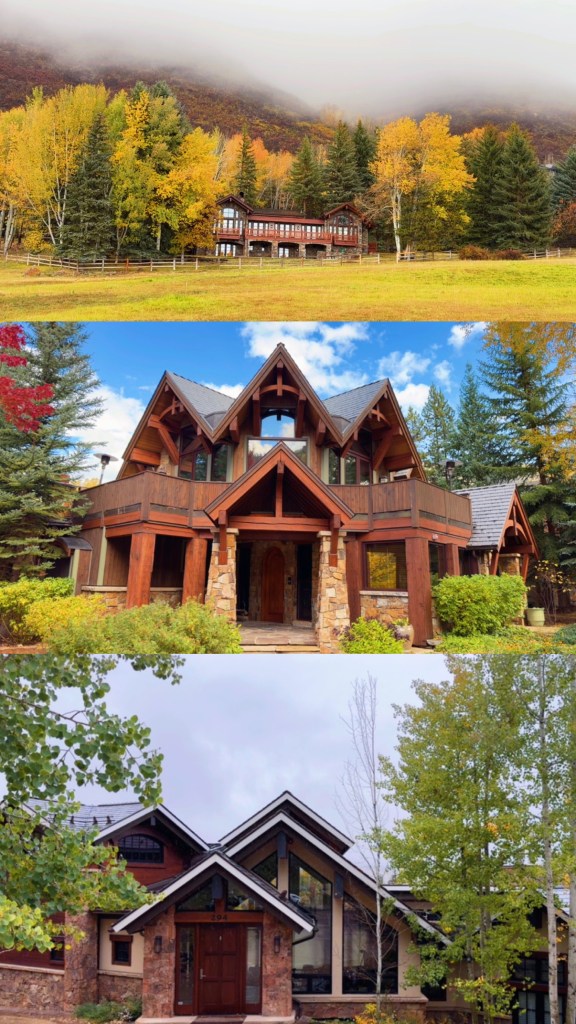
In winter, snow-covered peaks can be admired from an outdoor hot tub or through floor- to- ceiling windows. The landscape becomes part of everyday life, influencing how spaces are oriented, experienced, and inhabited.
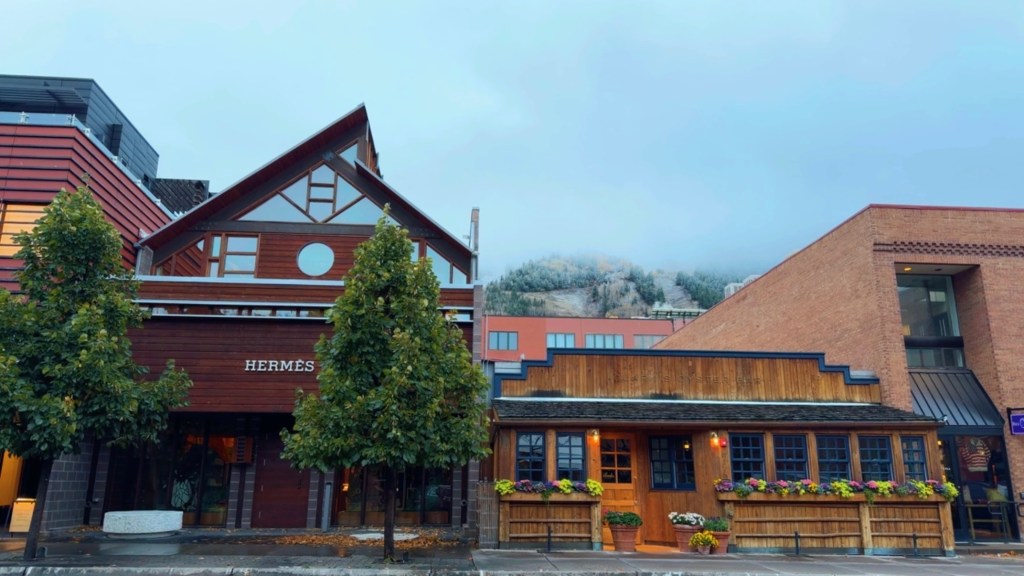
Beyond its alpine charm, Aspen blends small- town character with an international design sensibility, reflected in its boutiques, world-class hotels, and curated retail spaces. Hermes Aspen, designed by Paris-based RDAI, offers a distinctive interpretation of this relationship.
Architecture as an Experience of Space
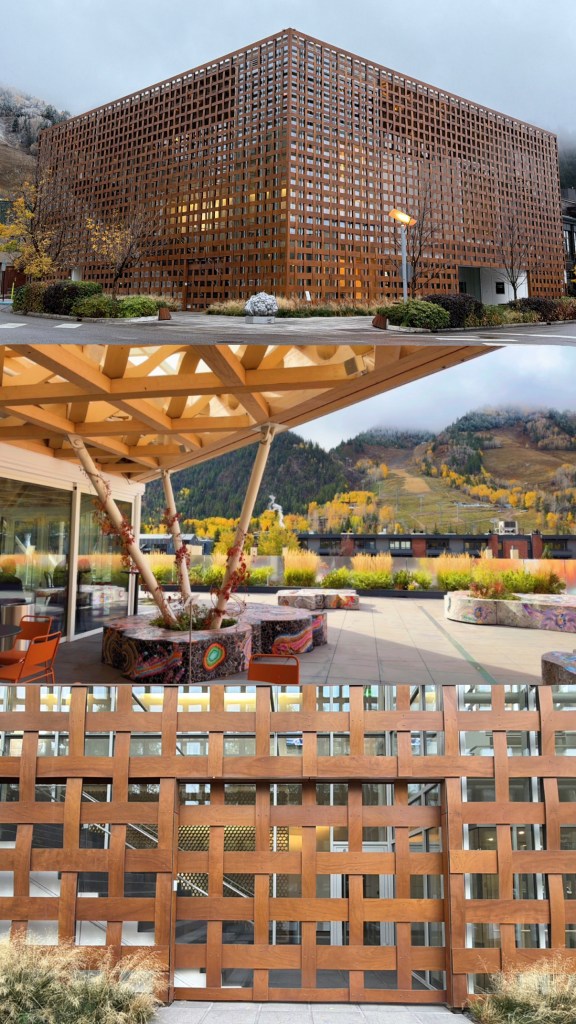
Walking through town in the crisp mountain air, it is hard to miss the Aspen Art Museum, designed by Japanese architect Shigeru Ban. Set against the backdrop of Aspen Mountain, its clean, box-like form combines glass surfaces with a woven wood screen.
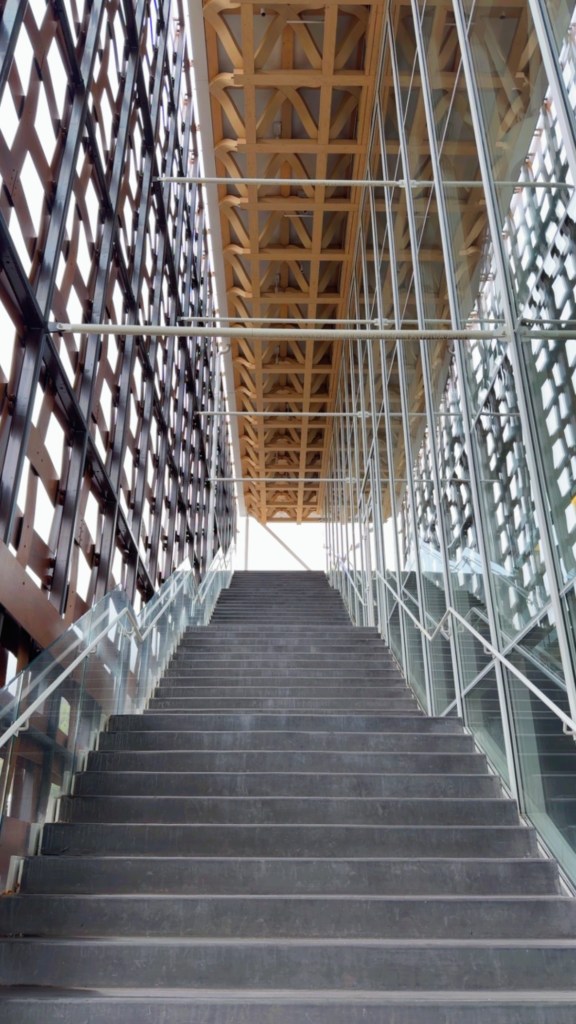
The museum’s Grand Stair extends along both the interior and exterior of the building, separated by a glass wall. What made the experience particularly striking was ascending the staircase and taking in views of Aspen Mountain dotted with golden aspens before descending to explore the galleries.
Moving between the landscape outside and the art within, I began to appreciate how architecture guides movement and frames our perception, extending the museum experience beyond its physical boundaries.
Multiple Expressions of Aspen’s Identity
Hotel Jerome: Blending Western Heritage with Modern Luxury
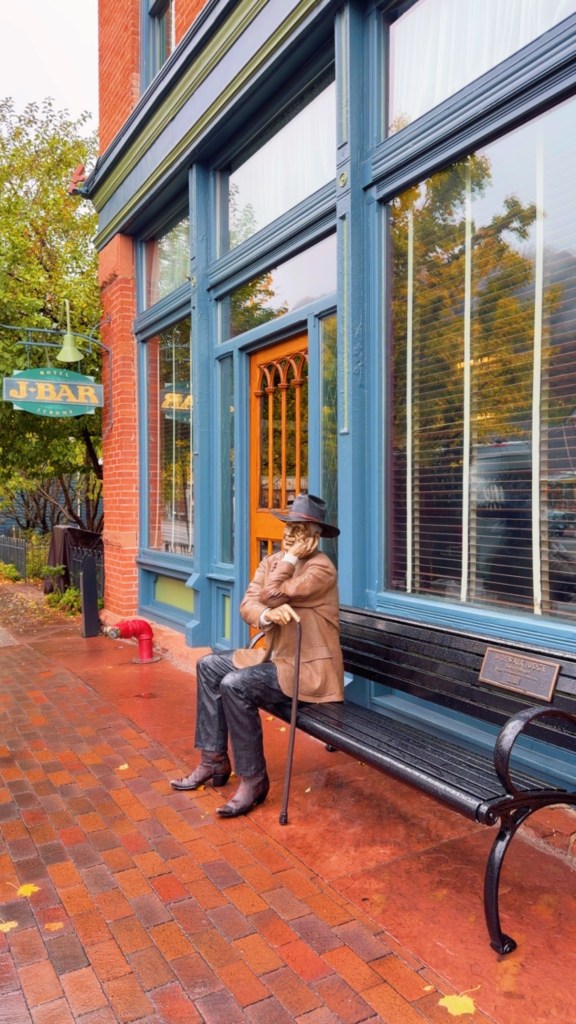
I had long been drawn to Hotel Jerome and its enduring Western charm, but seeing it in person made that fascination all the more tangible. Its historic red-brick façade and the American flag evoked the spirit of the Old West.
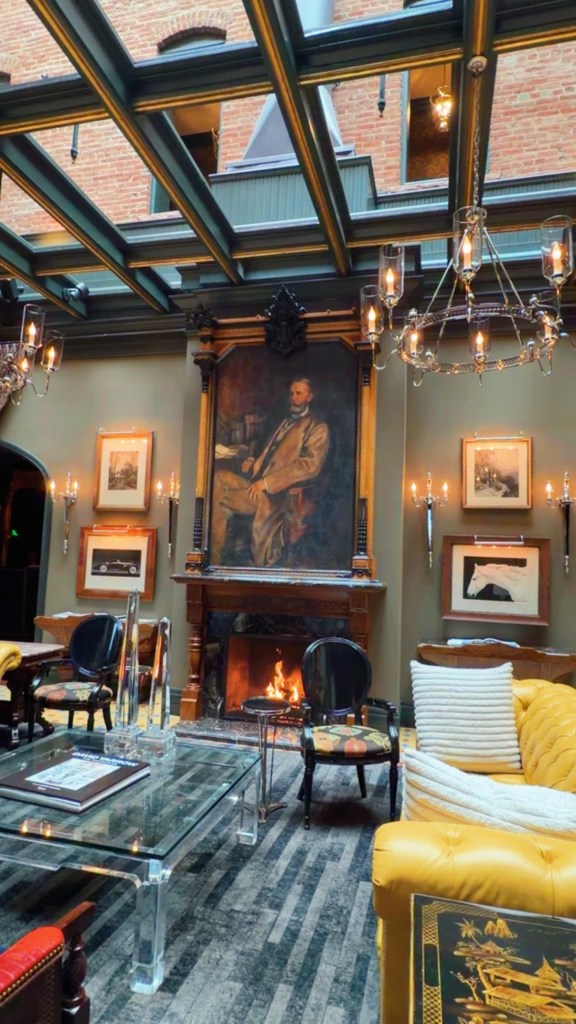
In the lobby, a glowing fireplace anchors the space, with a portrait of Jerome B. Wheeler, the hotel’s namesake and original builder, hanging above it. Vintage yellow leather sofas gather around the hearth, while mounted antlers reinforce the hotel’s Western character. Contemporary imagery featuring horses, forests and automobiles introduces a modern counterpoint to the rustic brickwork and furnishings. Soft drapery and warm ambient lighting create an atmosphere that feels both grounded and refined.
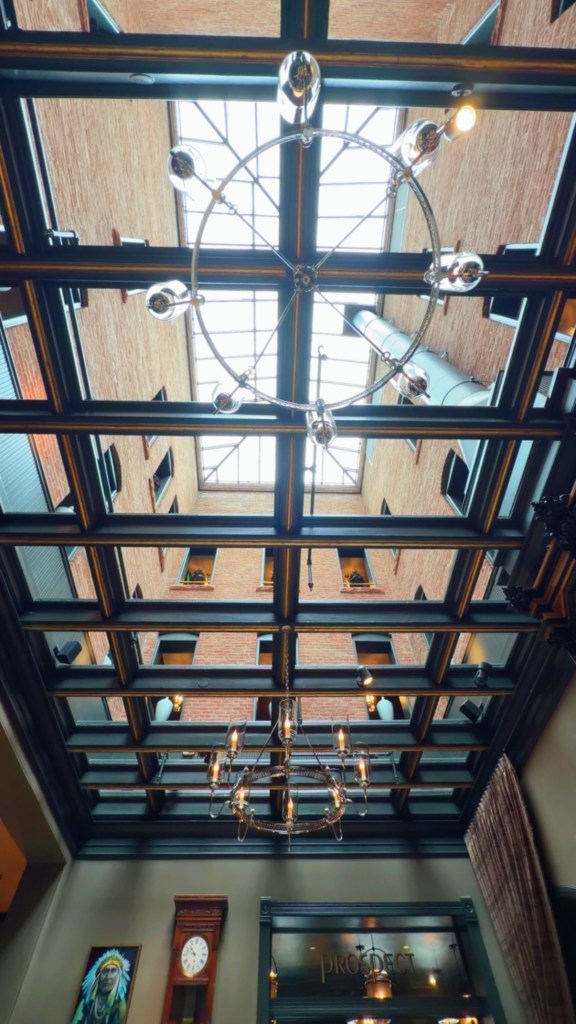
Looking up from the center of the lobby, I noticed natural light filtering through the central light shaft above. The open volume draws the eye upward, revealing timber beams, the surrounding interior spaces, and the chimney rising through the building.
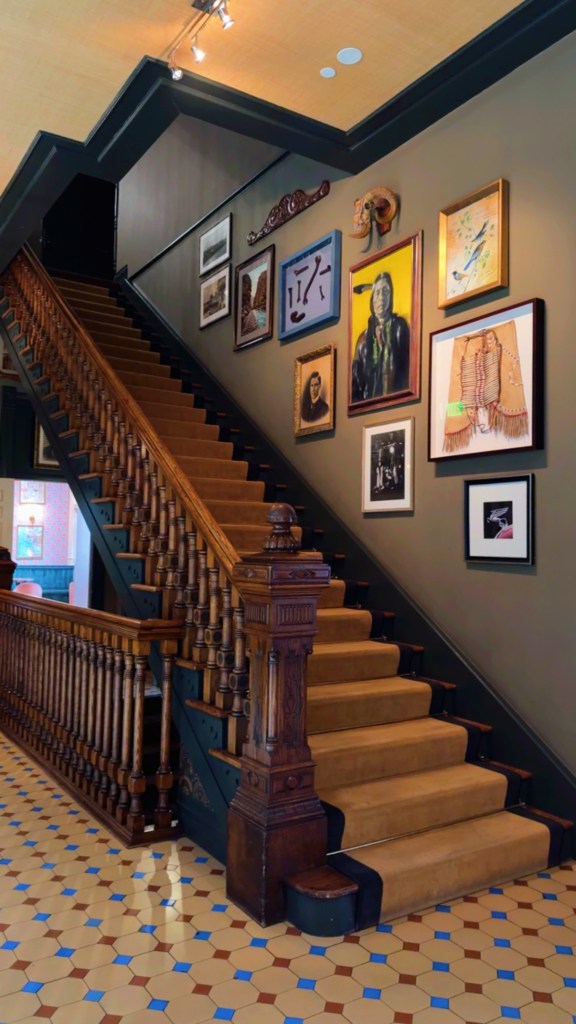
Portraits of Native Americans and traditional tools offer glimpses into the region’s past, while vintage ski goggles and historic photographs elsewhere in the hotel trace Aspen’s transformation from a silver-mining town into a renowned mountain destination.
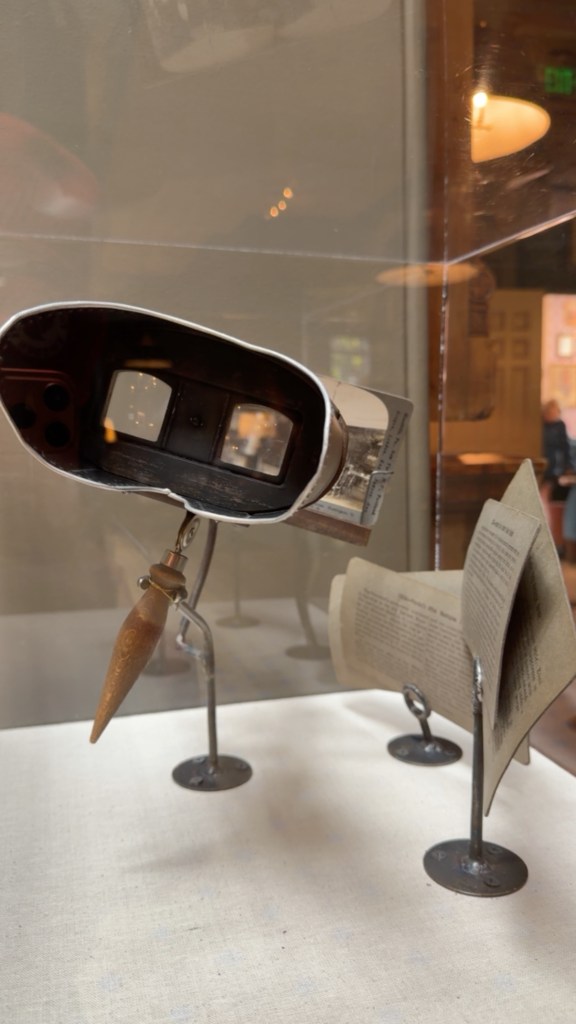
Different design languages give each room its own character, reflecting the hotel’s layered identity.
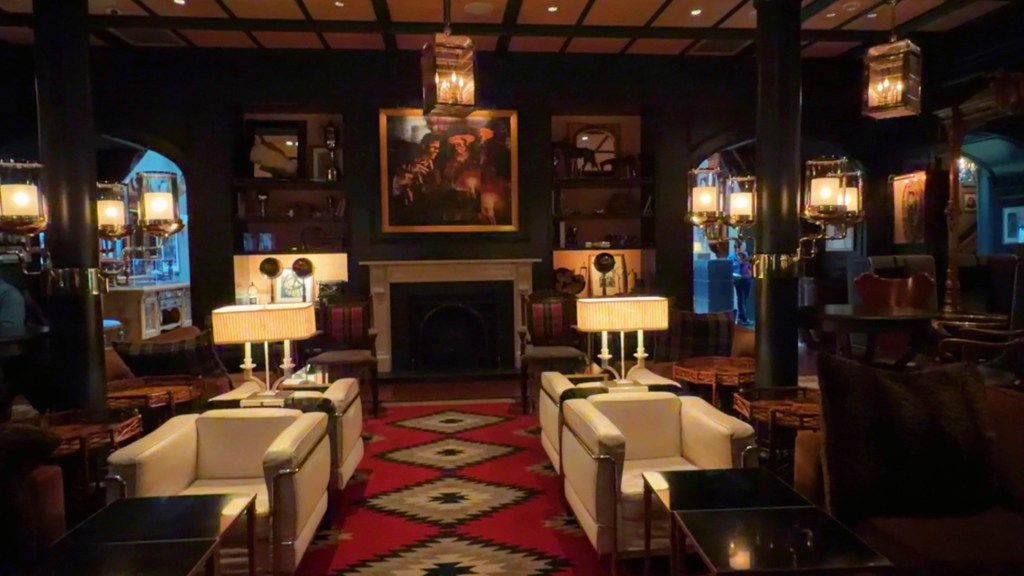
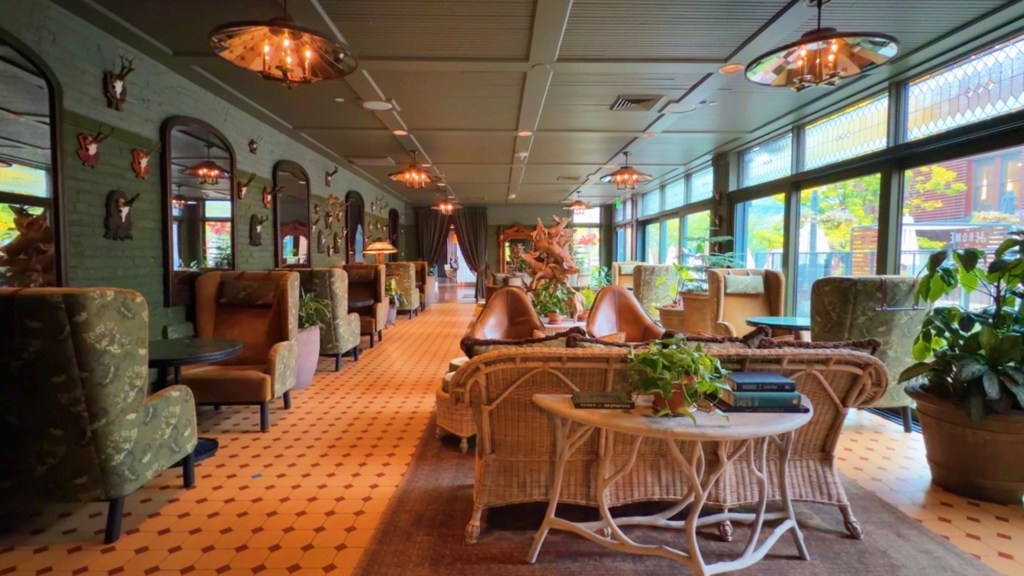
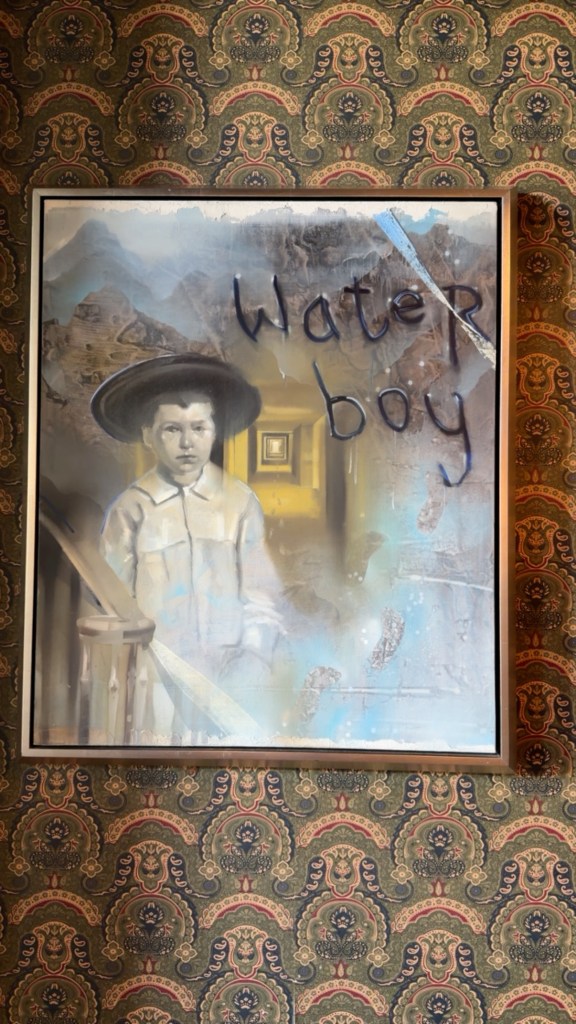
Through the windows, Aspen Mountain connects the hotel’s interiors with the surrounding landscape. By bringing Western heritage into a contemporary setting, Hotel Jerome shows how design can preserve the past while adapting it to modern mountain living.
The Little Nell: Contemporary Luxury, Rooted in Mountain Living
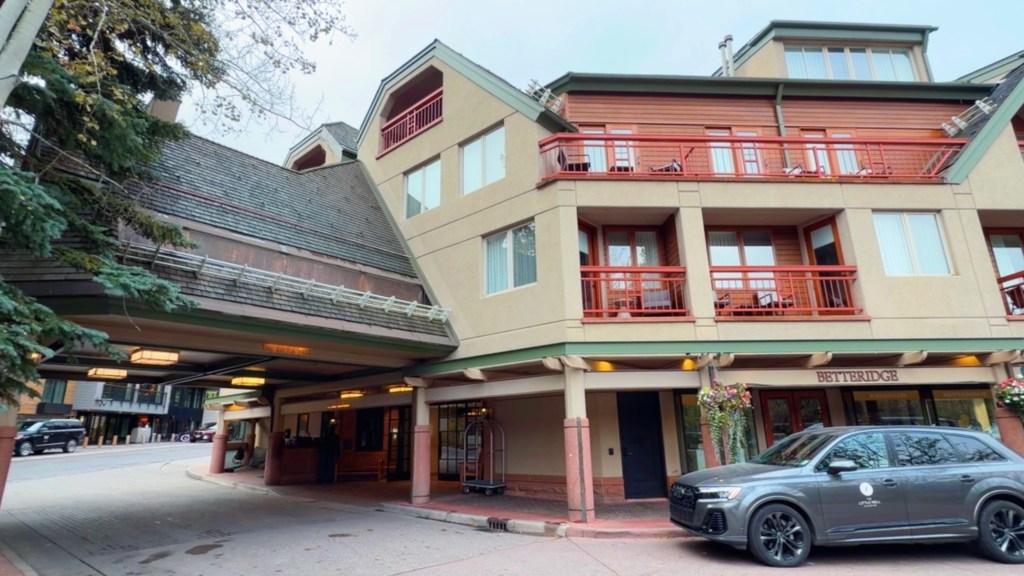
Set at the foot of Aspen Mountain, The Little Nell first caught my eye with its distinctive architectural form. Stepping inside, I discovered another expression of Aspen’s identity, where contemporary design, art, and sensory experience converge.
Diamond-shaped paintings in blue and golden yellow above the glowing fireplace introduce bold contemporary accents, echoing the geometric patterns of the rugs below. Black-and – white photographs of skiers and snow-covered mountain landscapes evoke the region’s deep connection to skiing and the alpine environment.
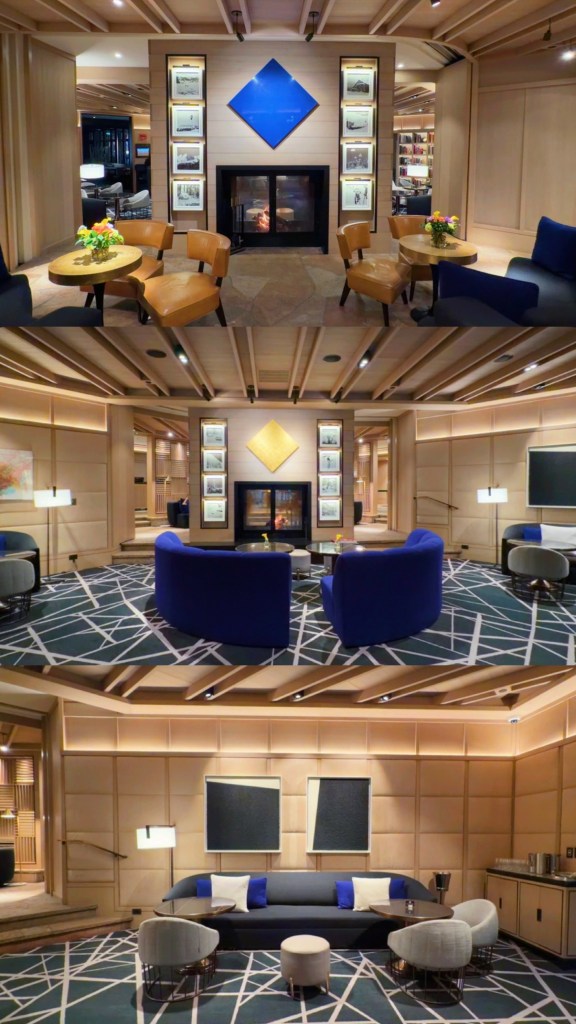
The interplay of materials, lighting, colors, and imagery creates a multisensory experience that extends beyond visual appeal. The interiors reflect Spanish interior designer Luis Bustamante’s artistic vision, demonstrating how design can shape not only the appearance of a space, but also the way people feel within it.
Through Hotel Jerome and The Little Nell, I came to appreciate how different design approaches express distinct aspects of Aspen’s character. Hotel Jerome draws on Western heritage and historical memory, while The Little Nell embraces contemporary mountain living. Despite their differences, both hotels reveal how design shapes our experience of a place.
Aspen’s Creative Landscape
Beyond architecture and design, Aspen’s vibrant art scene connects collectors, galleries, artists and institutions, offering another perspective on the relationship between place, culture, and artistic expression.
While exploring a local gallery, I discovered the striking black-and-white photographs of Knox Kroneberg (b. 1998), a contemporary fine art photographer whose documentary-style work explores the intersection of the Old West and modern culture. Through an authentic and compelling visual approach, his photographs capture the enduring spirit of the American West while offering fresh insight into its cultural heritage.
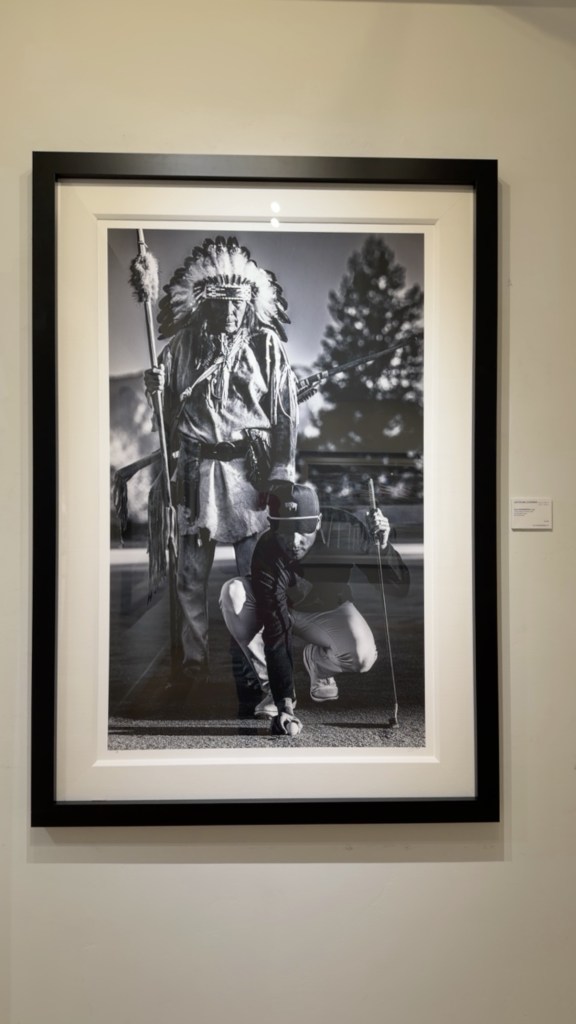
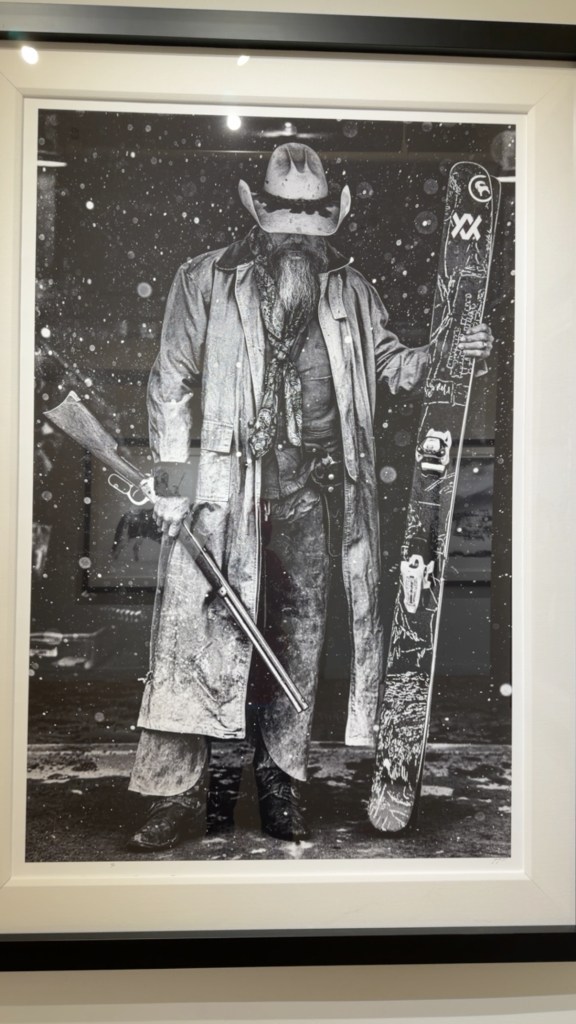
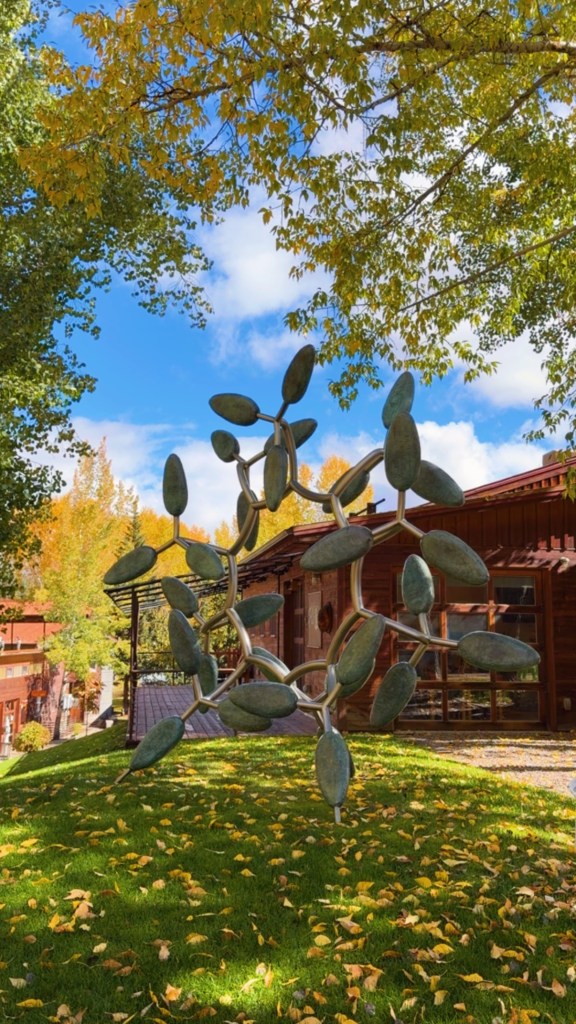
Aspen’s creative community extends to institutions such as Anderson Ranch Arts Center in nearby Snowmass Village, where artists exchange ideas and explore new approaches to their work, reinterpreting established traditions through contemporary perspectives.
My perspective on Aspen
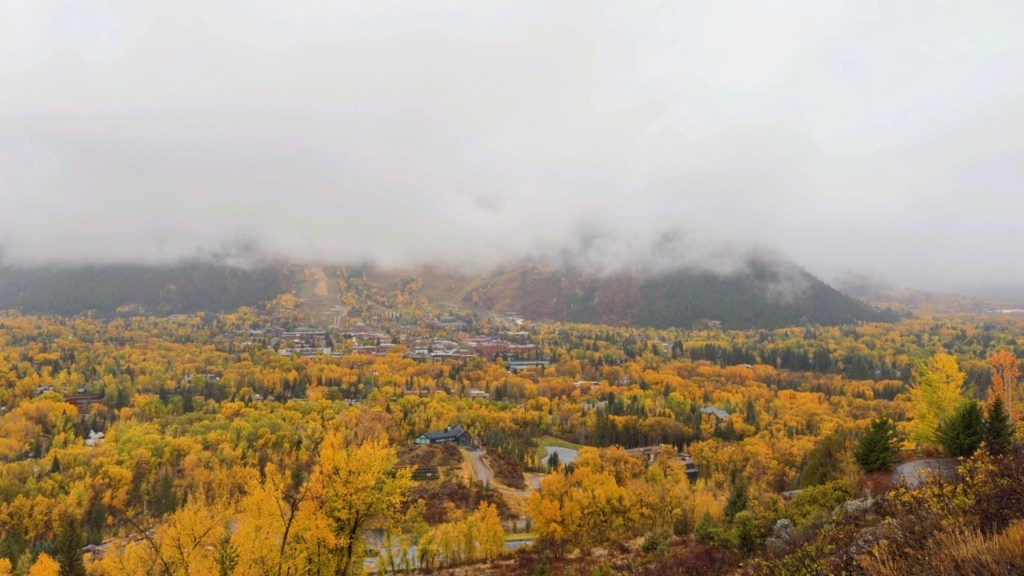
Standing on Red Mountain once again, I gazed across Aspen, where snow-capped peaks rose beyond winding mountain roads lined with golden aspens. I began to see the town differently, not simply as a ski destination, but as a cultural landscape shaped by its history, art, design, and mountain lifestyle.
The identity of a place is never defined by scenery alone. Much like an art collection, whose significance lies not in individual works alone but in the relationships among them and the larger narrative they create, a place derives its distinctive character from the interplay of its natural environment, architecture, history, and culture.
As I return to the East and West Coasts, I carry this perspective with me, looking beyond individual buildings, artworks, and landscapes to consider how their relationships shape our experience of the places we inhabit.


Leave a Reply