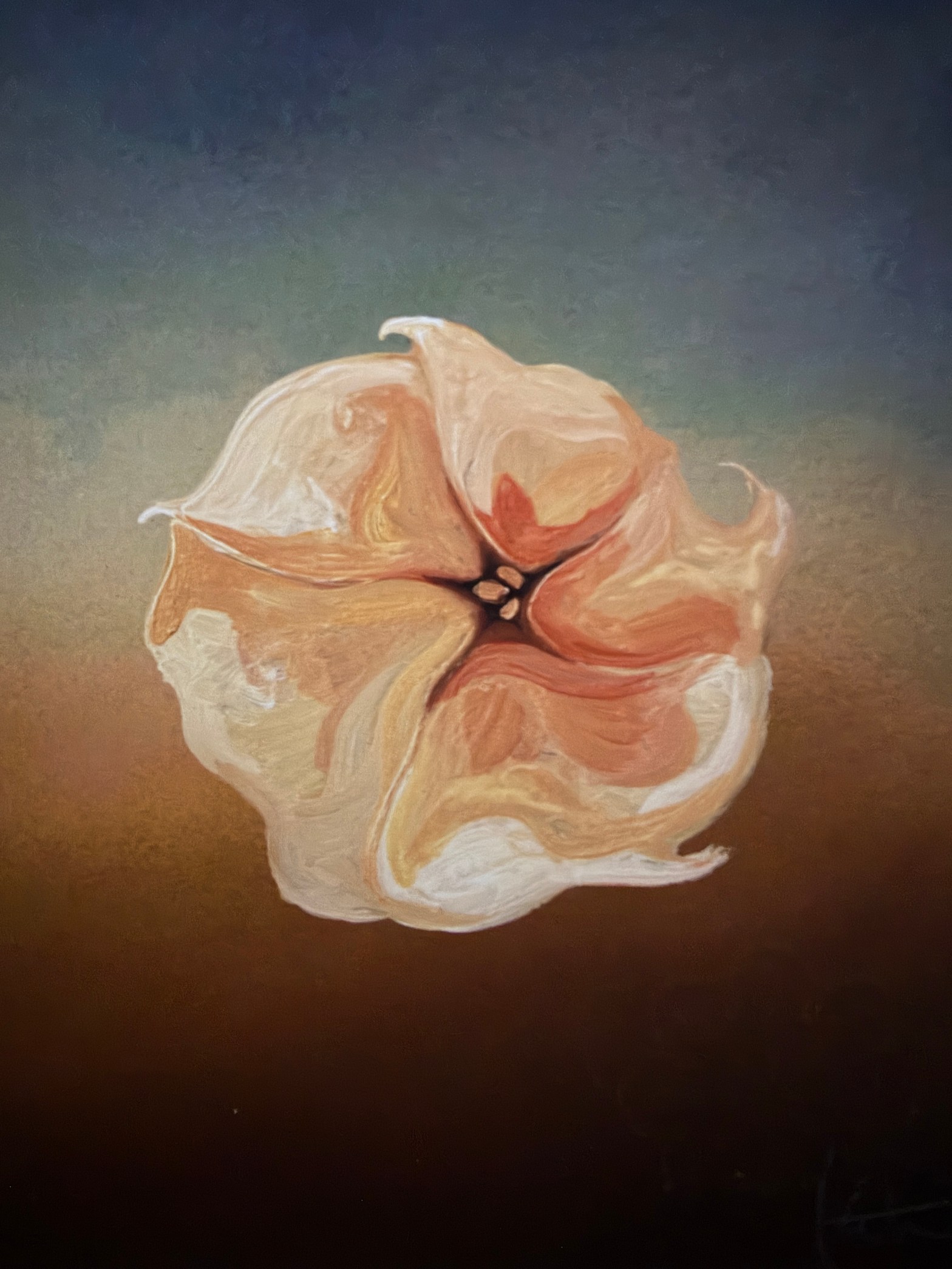
It is a journey shaped as much by the roads I traveled as by the conversations I shared in New Mexico.
The adventure begins with a striking juxtaposition of New York and New Mexico, two contrasting worlds reflected both in life and in the artworks of American artist Katie Rodgers, opening a window into her evolving journey with pastel painting and the way it shapes her life.
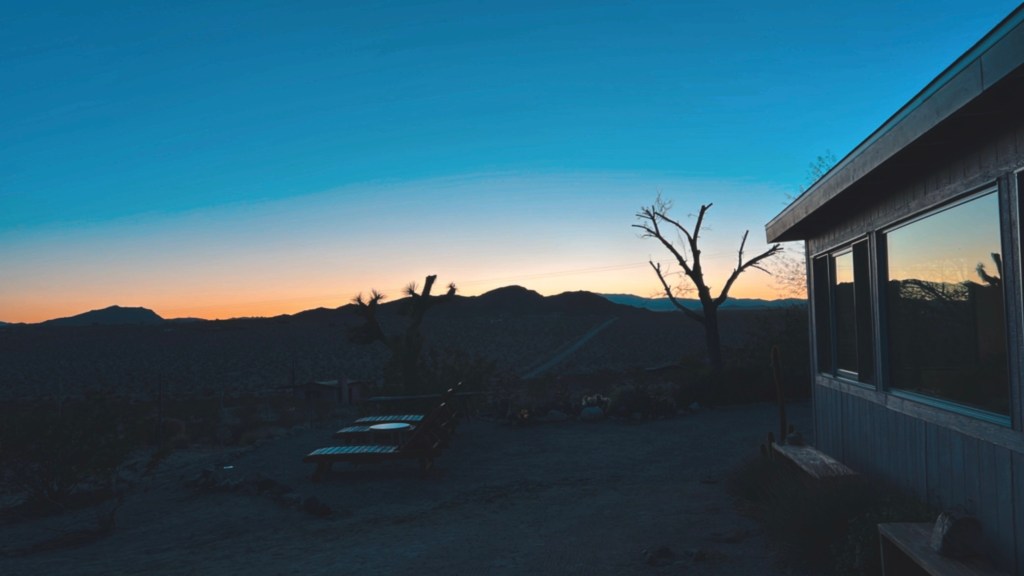
On my recent adventure, I returned to New Mexico, especially Abiquiu, drawn once again to its majestic mountains, earthly landscapes, adobe homes, vast indigo sky, and profound sense of peace. Through my lens, at the horizon where the land meets the sky, the edge where everything softens, the present seemed to dissolve into something like a pastel, or the echo of one, as our artistic conversation unfolded.
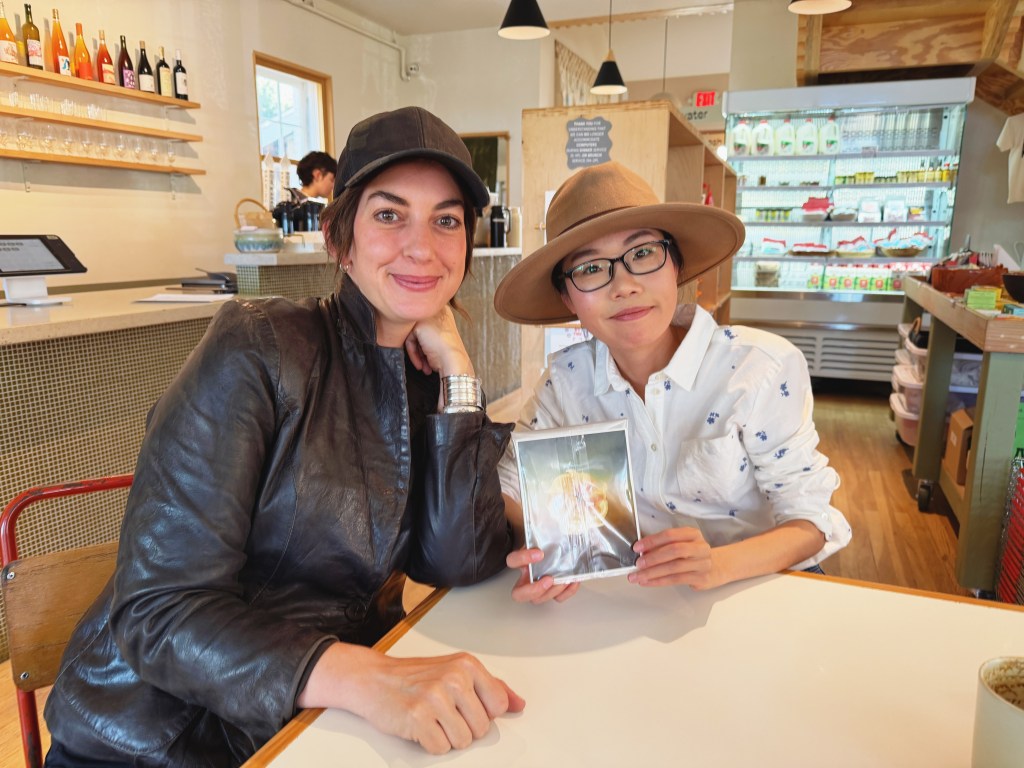
“You seem deeply interested in exploring pastel art,” I said.
Her pastel works always spark curiosity: delicate, luminous and quietly compelling.
“It takes me back in time,” she explained. “I once became friends with a pastel maker, and since then I’ve always felt good working with pastels and other art materials. I enjoy creating with my hands, letting my fingers guide the painting. I’ve explored many other methods, like oil painting, but pastels make me feel alive, deeply connected. I always find myself returning to them.”
She eyes sparkling as the conversation lingered, unfolding gently with each word.
We felt like old friends almost immediately, even though it was our first meeting, as she shared her journey with me. “I used to work in the fashion world and spent many years in New York,” she said. “Unexpectedly, I found myself drawn to New Mexico, more than I had ever expected, by the landscape, the nature, and the calm. Walking through it, I felt inspired, and I moved to Santa Fe to begin a new adventure.”
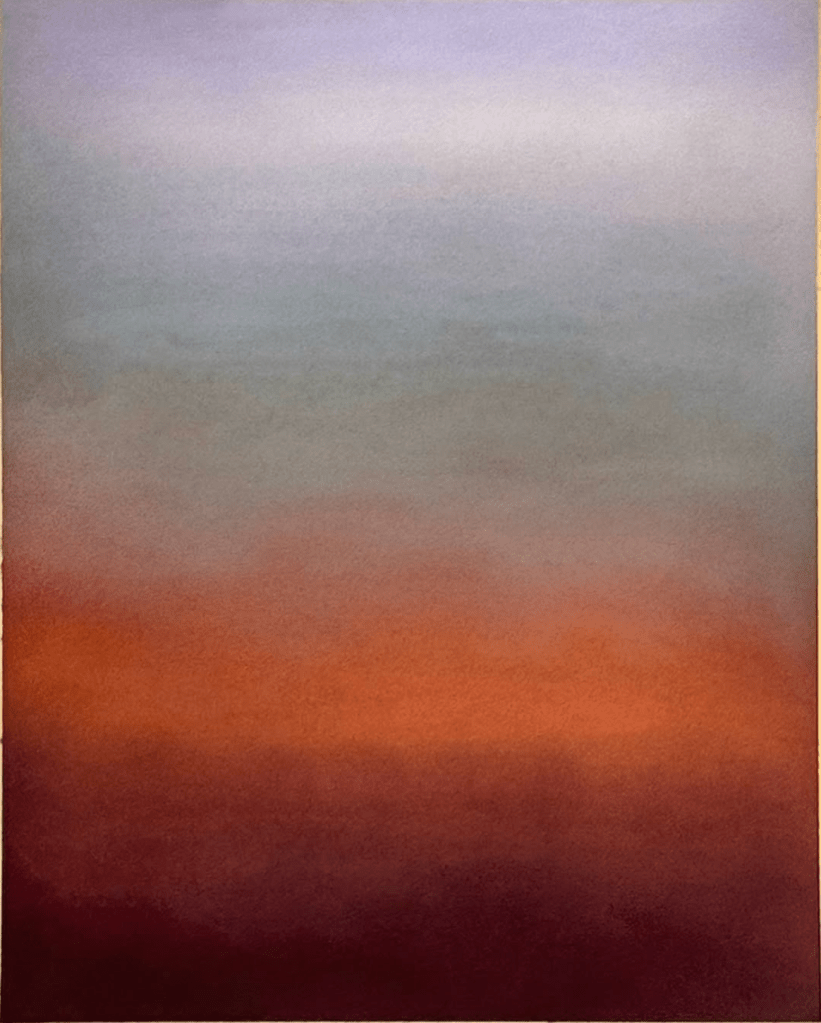
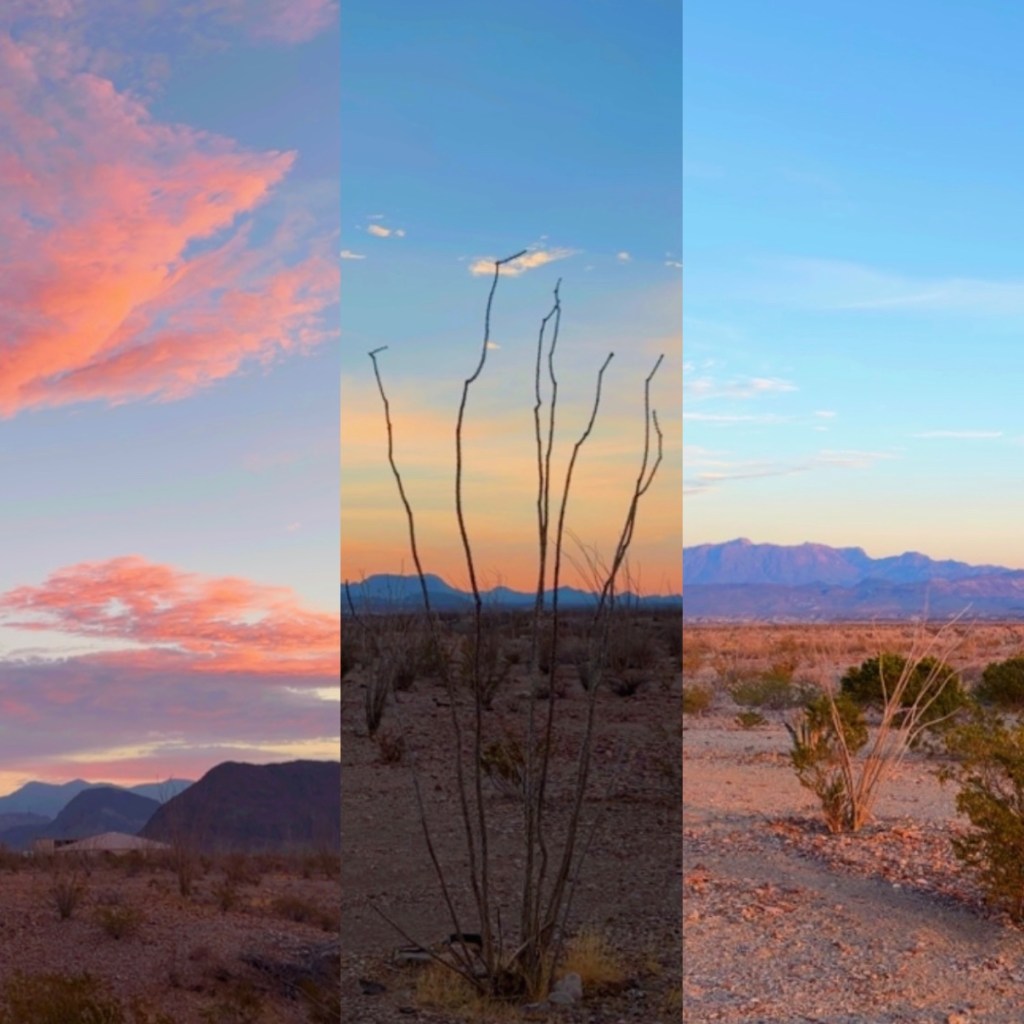
Nature’s colors, evoking human emotion, reflected her creativity. From the earth rose golden desert haze, boundless blue skies, terracotta canyon walls, fiery poppies beneath the summer sun, and soft orange and pinks blending like a breathtaking sunset. As she worked with these hues, memories stirred, and she felt herself a child again: full of wonder, curious, and enchanted by the whimsical magic of the natural world.
“I am recreating what I see and feel by playing with color and pastel, letting those impressions unfold on the paper.” Her words echoed the spirit of artist Georgia O’Keeffe, who once said, “I had to create an equivalent for what I felt about what I was looking at – not copy it.” This is her way.
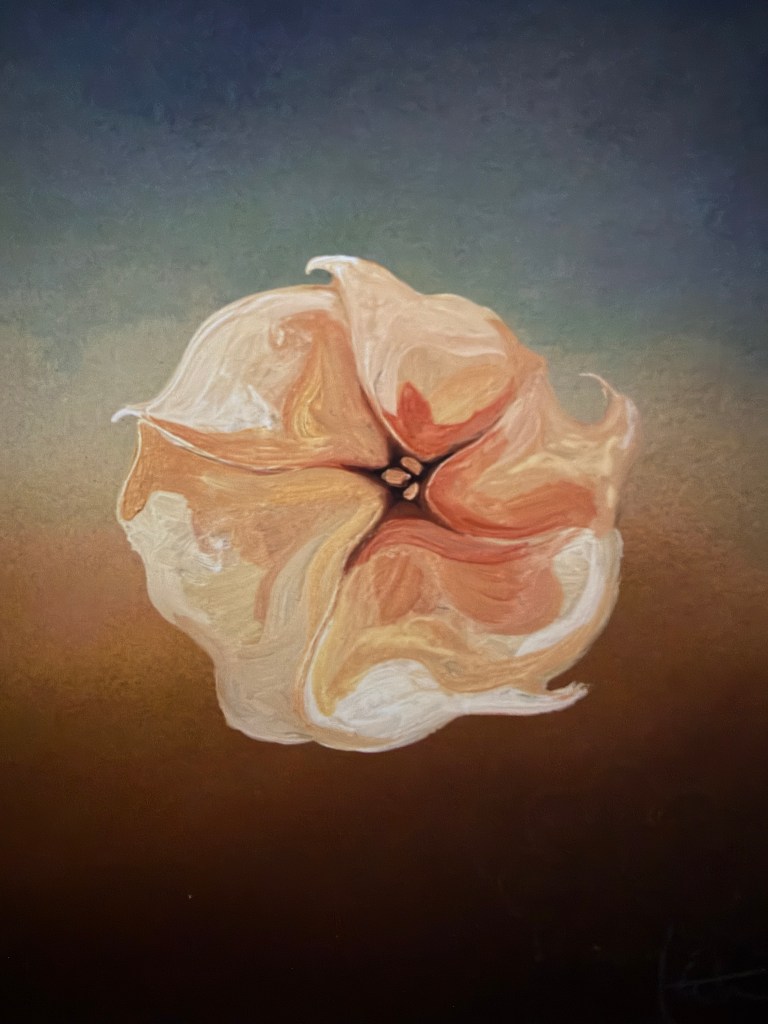
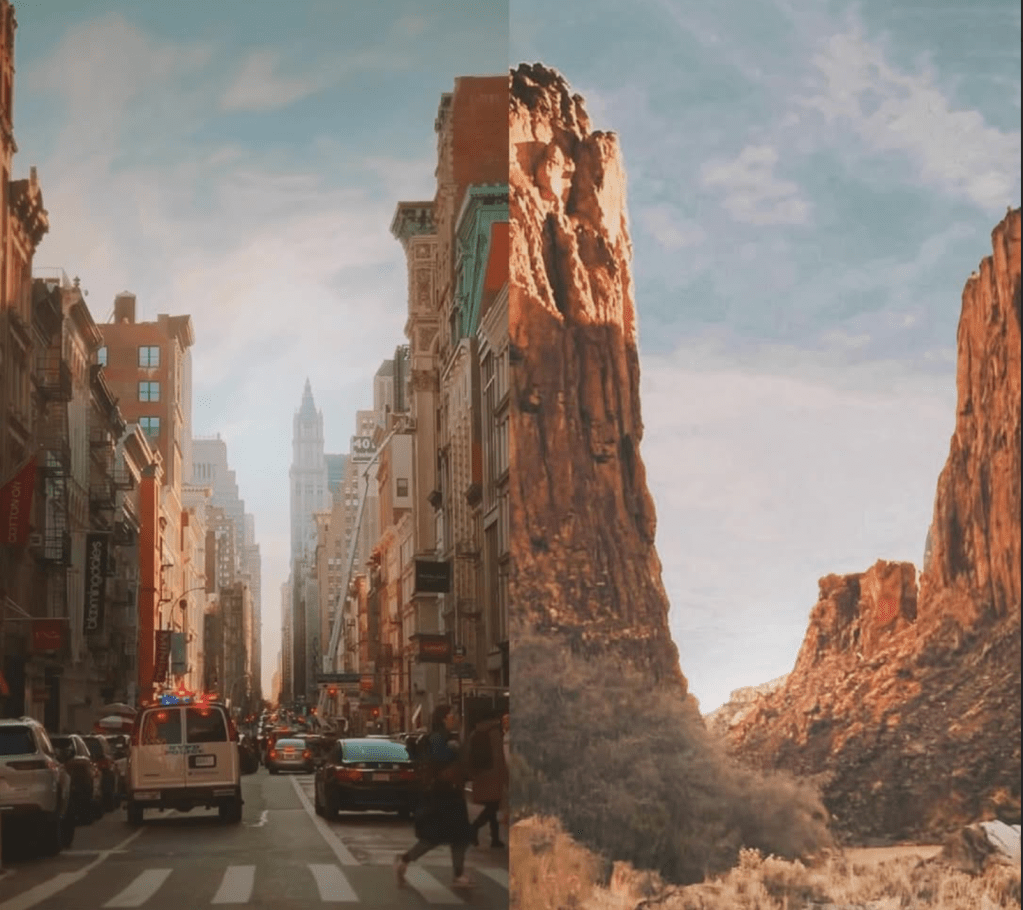
Her artwork Life in Contrast: New York/New Mexico, capturing the striking juxtaposition of the bustling streets of New York, with the majesty of Diablo Canyon, always lingered in my mind. Inspired by the contrast, I asked with endless curiosity, “What is the greatest difference between these two very different places that has shaped your creativity?”
“Both in New York and New Mexico, I feel small, but in different ways”, she explained. “In New York, I feel small among the crowded streets and towering buildings. In New Mexico, I feel small beneath the vast sky and open landscape. New Mexico feels closer to my inner world, a place where I am rooted and free to explore imagery as it arises,” she added.
“My pastel works are born from the natural world, and New Mexico has always been a profound source of inspiration. Over the past years, I have explored a new chapter in my art, drawn to the vast skies and the ever-blooming serenity of this land. At the edge where land meets sky, my pastels on paper have guided me, revealing pathways I could never have imagined, whispering where my work is meant to go.”
Now she has come home again.
Her adventurous spirit has always pushed the limits of the familiar.
“I think many people prefer to stay the same,” she reflected. “But I’ve always followed what feels right. My journey has been about an evolution: shifting between different forms of expression, from the world of fashion to the world of nature, from life in New York City to life in New Mexico.”
“My work in fashion demanded careful preparation and discipline, and I learned a lot from that world. My process in New Mexico feels entirely different. I work more intuitively, following the rhythm of the landscape and the life surrounding me. Nature creates the world, while fashion creates the final image.”
“That contrast is another kind of juxtaposition,” I nodded. I could sense that the difference between the life and art scenes of these two places always stayed with her: these were her memories, quietly nourishing and shaping her as an artist. On her new artistic adventure, she brings the brilliance and essence of gemstones to her pastels, making them vividly alive.
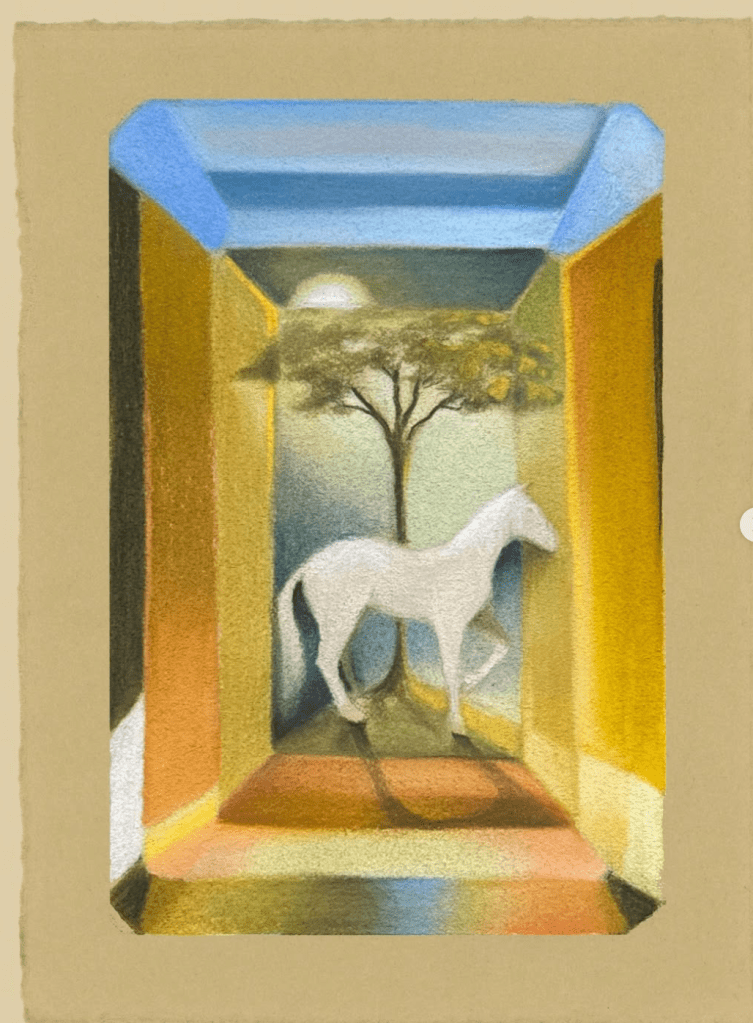
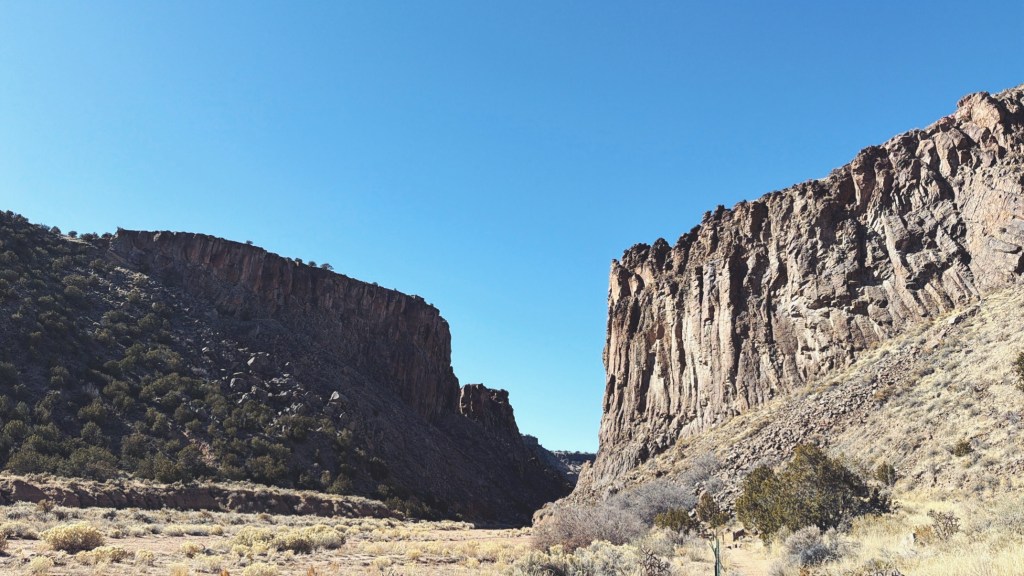
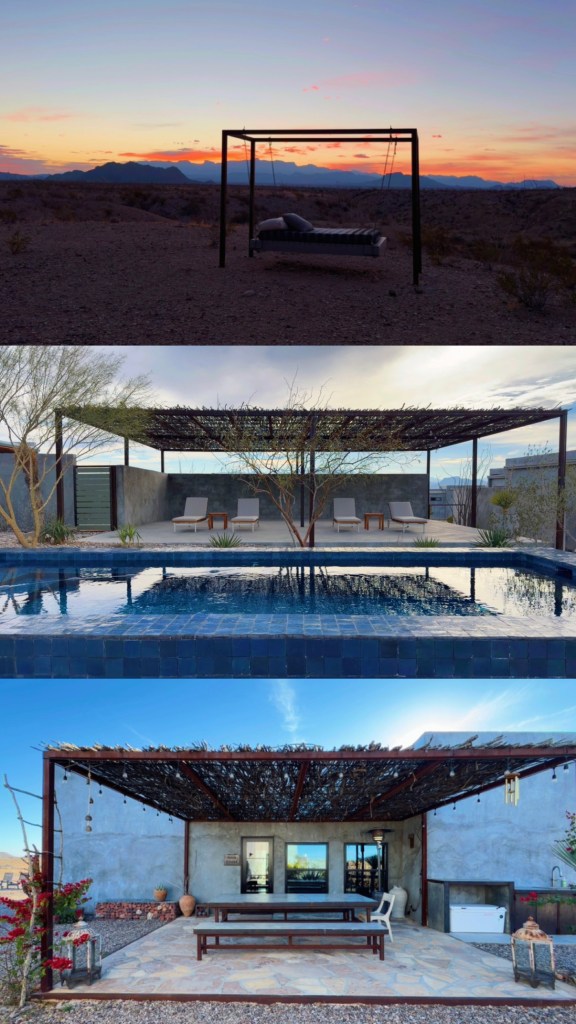
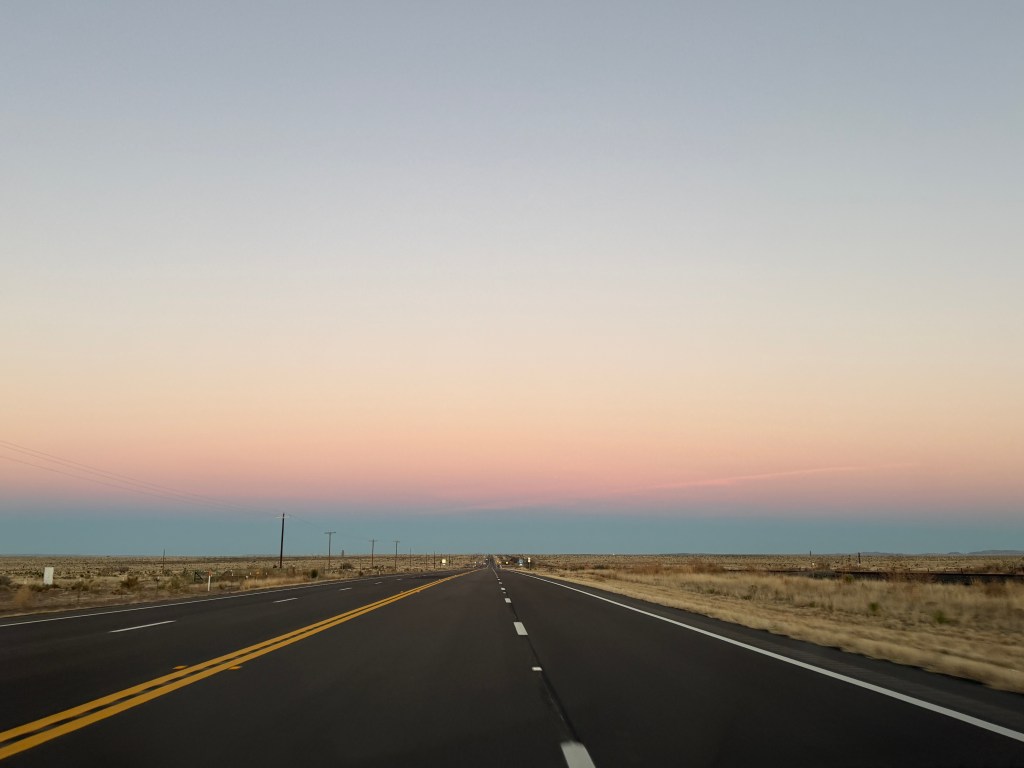
Art was in the air. I was on the road again, traveling from Albuquerque to Abiquiu and then to Santa Fe, with endless horizons and vast open skies unfolding before me. My perspective shifted as I followed the natural landscape, as if it were echoing through her art. This journey led me to a deeper exploration of her artistic world, prompting a mini adventure to Diablo Canyon, one of her favorite places for inspiration.
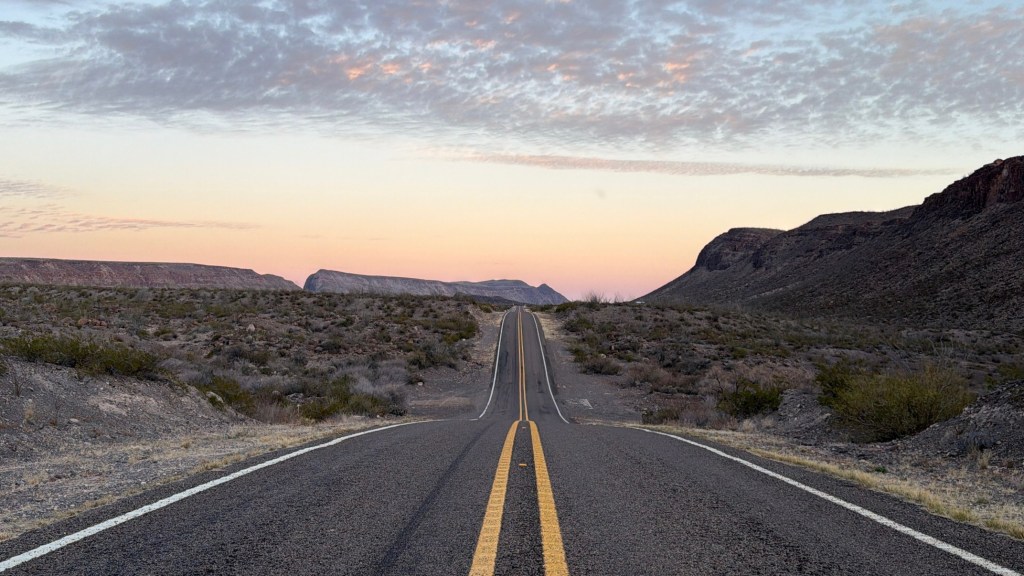
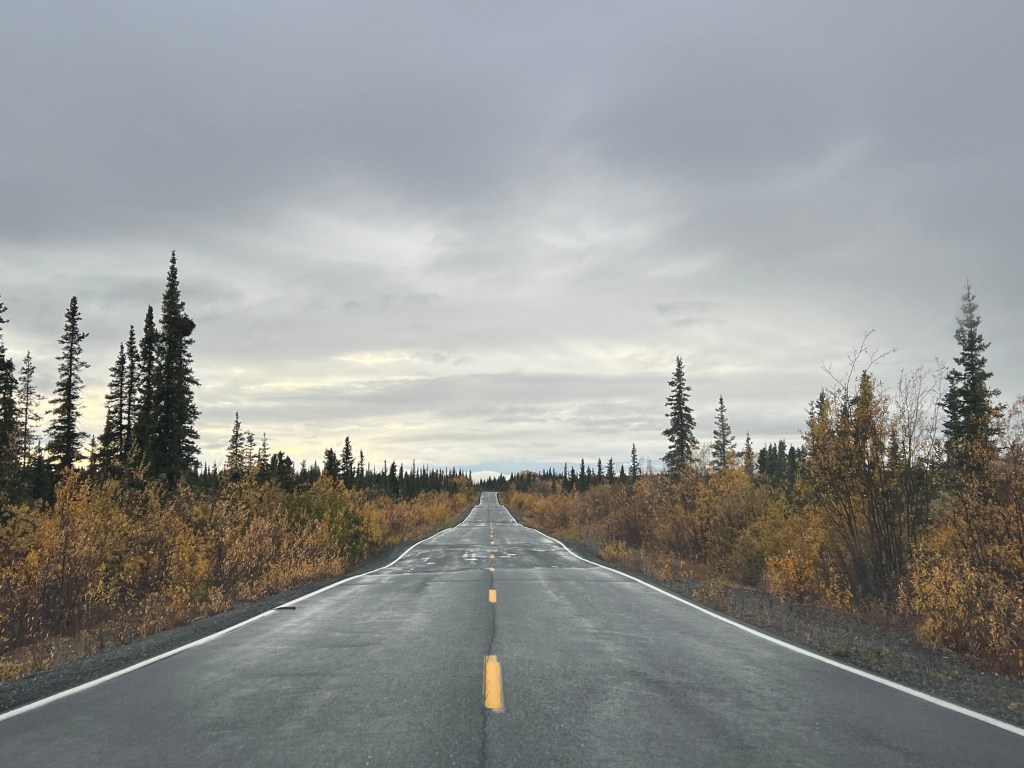
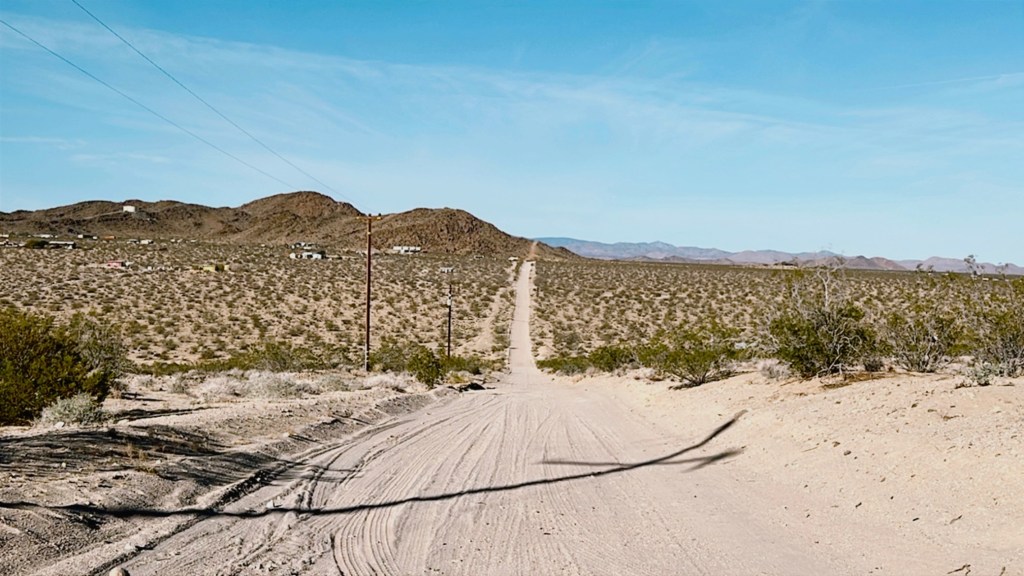
The strong desert sun kissed my skin as miles of unspoiled terrain stretched endlessly, as if time itself had slowed. The road to the canyon was an adventure itself, the last fifteen miles were unpaved and horrendously bumpy, winding through remote land where spotting another car was rare, yet there was a tranquil, almost meditative beauty in the solitude.
Standing at the edge of the canyon, the world fell into stillness. The towering, ochre-colored basalt cliffs glowed warmly under the sun, contrasting sharply with the vast sky stretching beyond the horizon. In that moment, the cliffs and the high-rises of New York City felt unexpectedly kindred, different in form, yet connected in their sense of presence, like standing the middle of Manhattan.
My perspective shifted between the city’s structures and the expansive, profound horizon before me, a humbling reminder of my own smallness. I felt the same way through her lens, seeing the world with that delicate balance of intimacy and vastness that her art captures.
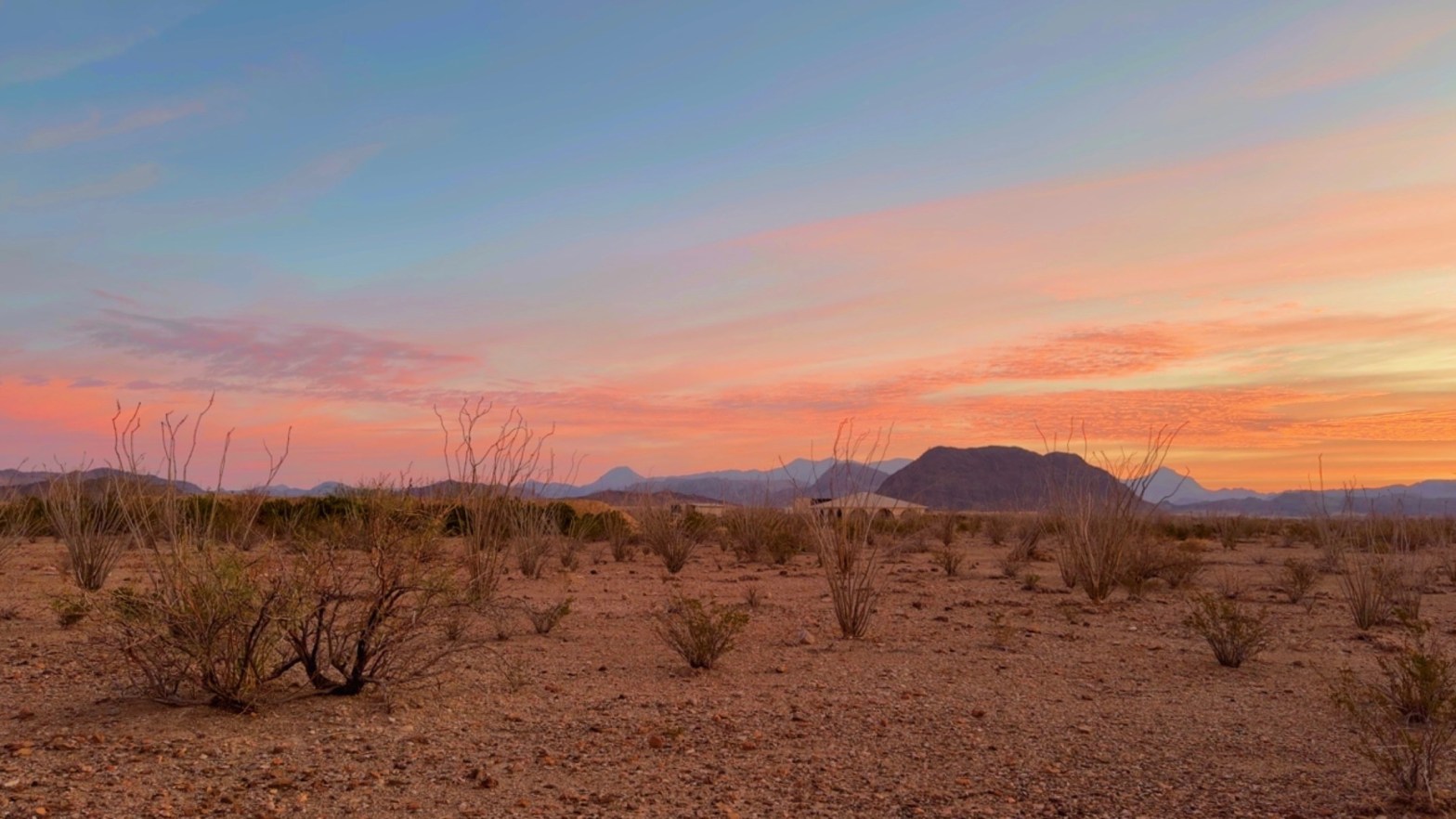
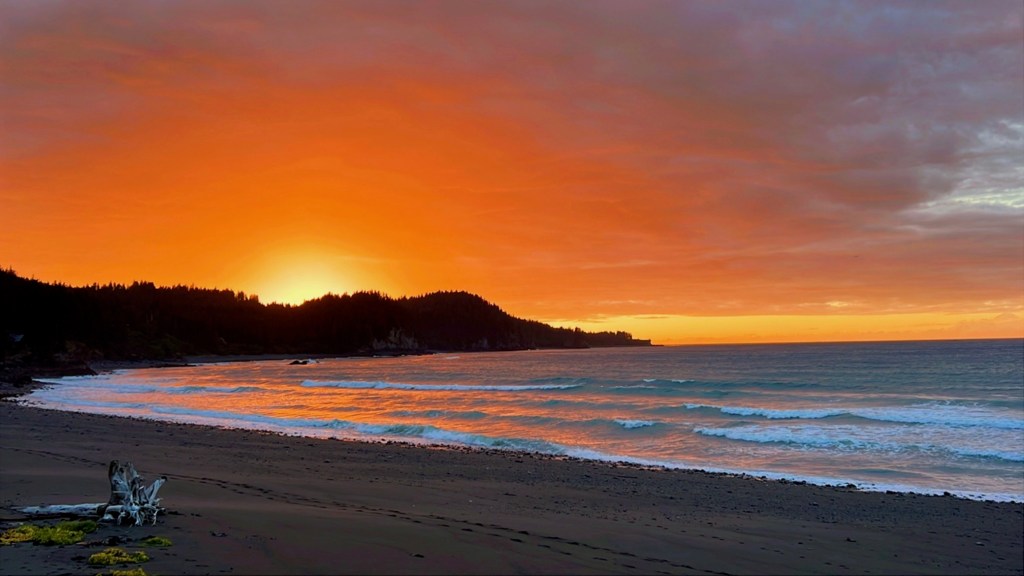
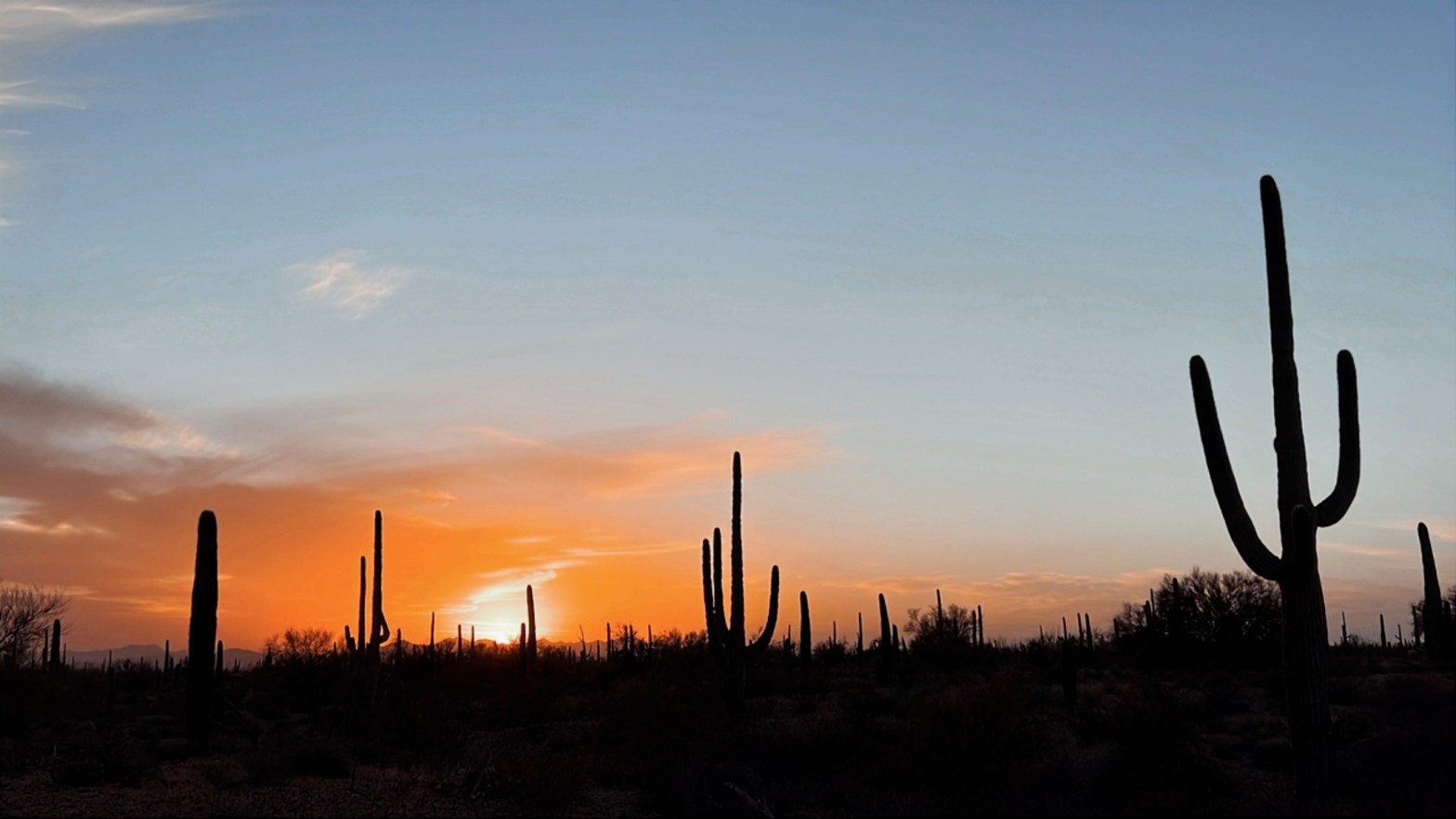
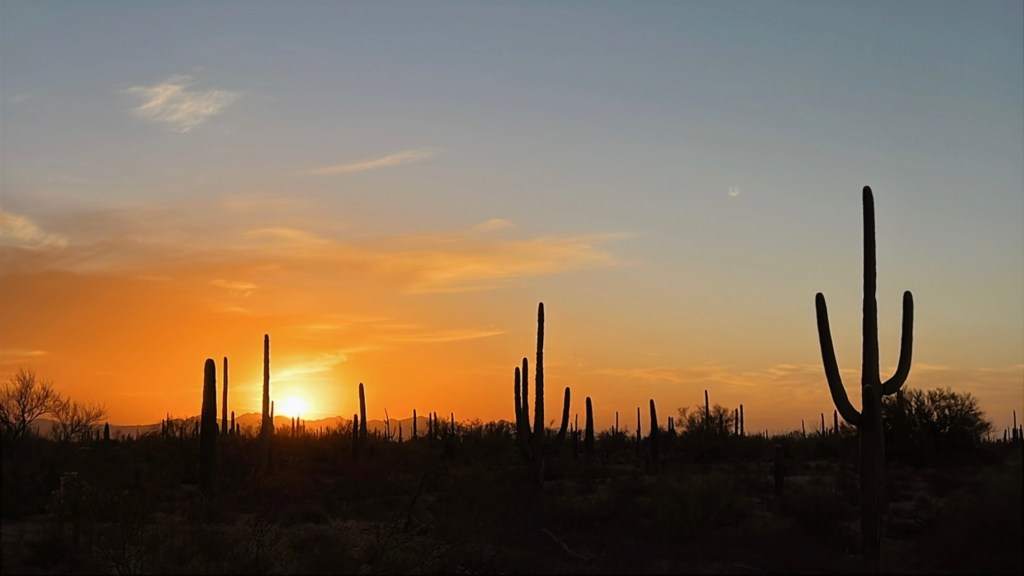
Gazing out beneath a soft orange sunset, its hues echoing the delicate edges of her pastel colors, I watched where land and sky dissolve into one. In that convergence, her world became clearer to me this time. perhaps this is where art takes shape: where we meet the world, ourselves and find, at the horizon, something that feels like home.
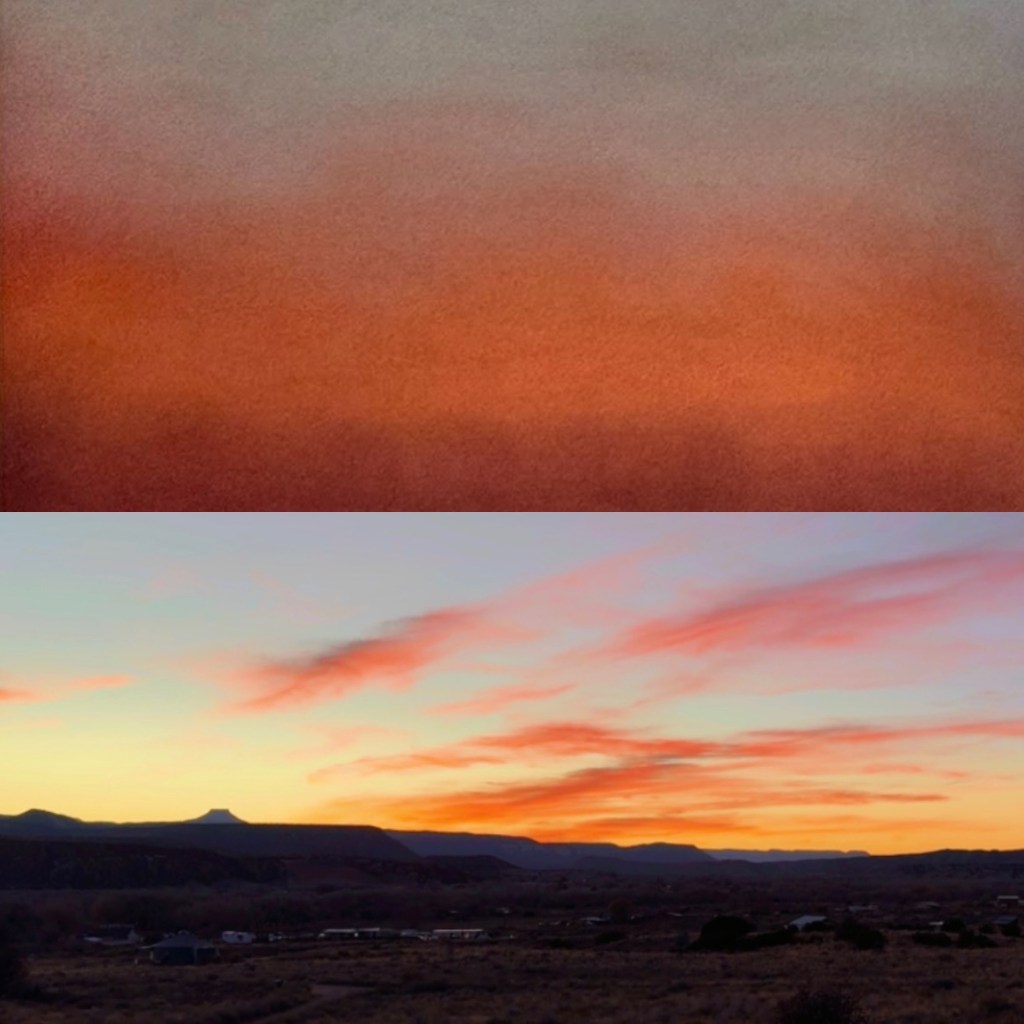
May her evolving journey continue to unfold, inspiring us along the way.
About the artist:
Katie Rodgers is known for her imaginative engagement with the natural world. Inspired by gardening, travel and a love of adventure, she transforms everyday observations into luminous, whimsical creations. Over the years, Katie has brought her vision to life for world-renowned brands including Cle de Peau Beauty, Oribe, Estee Lauder, Diptyque Paris, La Maison du Pastel, Samsung, and Veuve Clicquot.
Now based in Santa Fe, New Mexico, she contributes to explore the delicate intersection of nature, color and imagination in her art. She also hosts various workshops, offering intimate full day creative experiences that blend nature, culture, gastronomy, floristry, art, and horseback riding, allowing participants to fully immerse themselves in the surrounding landscapes.
If you are interested in her works, follow her on Instagram @katierodgers or visit her website: https://www.katierodgers.co

































































 STEPHY